OnePlus 15 Outshines Samsung Galaxy S25 Ultra in Key Areas, ZDNET Reports
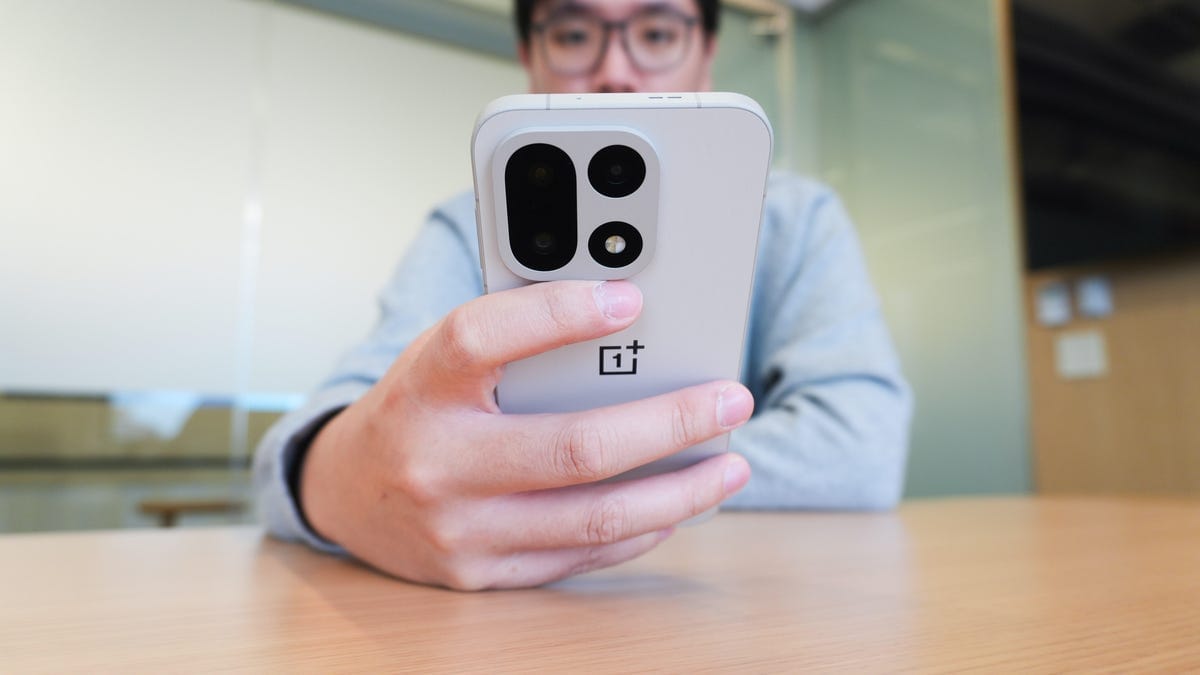
ZDNET’s recent review highlights that the newly launched OnePlus 15 has surpassed Samsung’s flagship Galaxy S25 Ultra in several practical dimensions, prompting analysts to reassess the competitive landscape of premium smartphones. While Samsung continues to dominate market share with its long‑standing Galaxy series, OnePlus is positioning the 15 as a viable alternative for consumers seeking high performance without the premium price tag.
The OnePlus 15 distinguishes itself with a 6.8‑inch LTPO AMOLED panel that offers a 120 Hz refresh rate and higher peak brightness than the Galaxy S25 Ultra’s 6.9‑inch display, which, despite its larger size, is limited to 100 Hz. Battery life also tips in OnePlus’s favor: a 5,200 mAh cell paired with 80‑W wired charging delivers a full charge in under 30 minutes, whereas Samsung’s 5,000 mAh battery requires 45 minutes with its 45‑W charger. In addition, the OnePlus 15 runs on the latest Snapdragon 9‑Gen2 processor, delivering comparable performance to Samsung’s Exynos 2400 while consuming less power, according to generic benchmark data.
Industry observers note that Samsung’s strategy has long relied on pushing the envelope in camera hardware, yet the OnePlus 15’s triple‑camera system, featuring a 50 MP main sensor with advanced computational photography algorithms, provides image quality that rivals the Galaxy’s 108 MP array in most lighting conditions. Experts suggest that OnePlus’s focus on software optimization and a cleaner user interface contributes to a more consistent user experience. Moreover, the OnePlus 15 is priced roughly 15‑20 % lower than the Galaxy S25 Ultra, a factor that could attract price‑sensitive buyers in both mature and emerging markets.
Looking ahead, market analysts anticipate that the competition will intensify as manufacturers strive to balance cutting‑edge specifications with affordability. The OnePlus 15’s success may encourage other brands to prioritize efficiency and user‑centric features over sheer hardware specifications. Consumers can expect a broader selection of high‑end devices that deliver comparable performance at more accessible price points, potentially reshaping premium smartphone dynamics in the coming year.