Northern Lights Light Up U.S. Skies Amid Intense Geomagnetic Storm
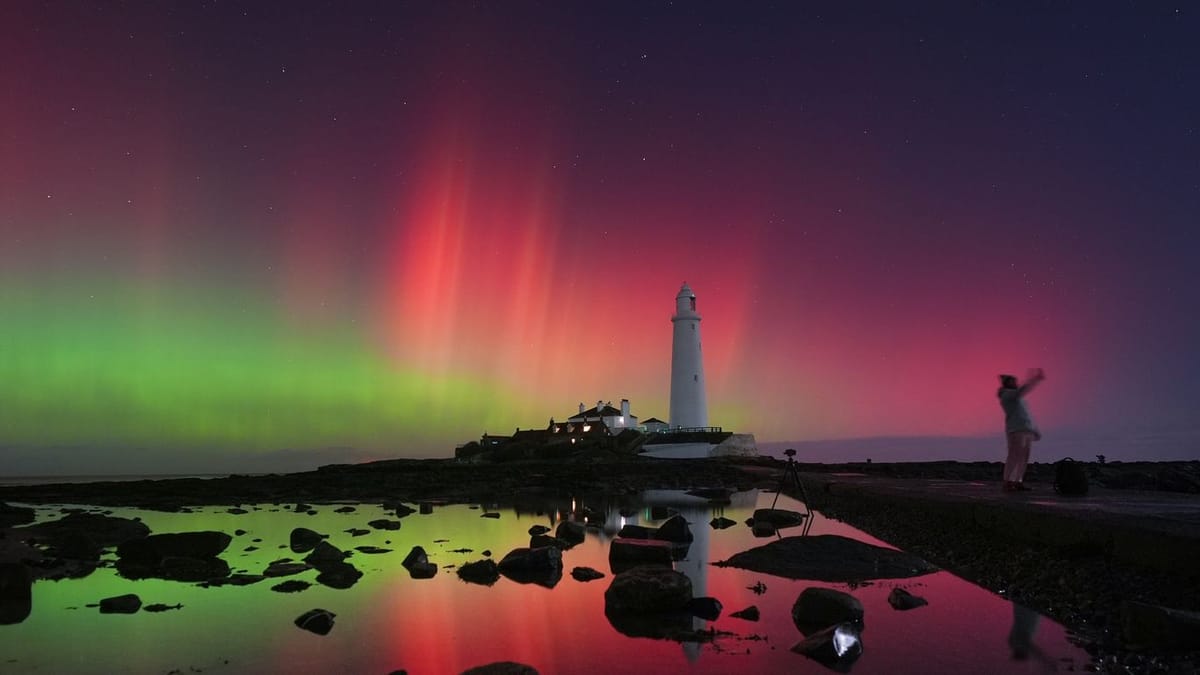
The aurora borealis has illuminated large portions of the United States this week, offering viewers from the Pacific Northwest to the Midwest a rare glimpse of the Northern Lights. The display, which began on Monday, is expected to persist into Thursday night as a strong geomagnetic storm sweeps across the continent.
The storm, classified as a G4 event by the Space Weather Prediction Center, is driven by a high‑speed solar wind stream that followed a coronal mass ejection earlier in the week. A G4 rating indicates a severe geomagnetic disturbance capable of producing vivid auroras at latitudes as far south as the northern United States. Forecasters anticipate the most intense activity over the next 24 hours, with the highest visibility reported in states such as Washington, Montana, Minnesota, and Michigan.
Officials from federal and state agencies have issued generic advisories warning that the storm could affect satellite communications, GPS navigation, and high‑frequency radio transmissions, although no widespread outages have been reported so far. Aviation authorities have reminded pilots to monitor ionospheric conditions, and power‑grid operators are on alert for potential geomagnetically induced currents. Meanwhile, the public has responded enthusiastically, sharing photos and videos on social media platforms and gathering at dark‑sky locations to watch the shifting curtains of light.
Scientists expect the geomagnetic activity to wane by Thursday evening, after which the auroral displays should diminish. However, they caution that additional solar events could trigger further disturbances later in the week. Observers are encouraged to stay informed through official space‑weather alerts and to enjoy the spectacle while it lasts, as such strong auroral events are relatively uncommon at these latitudes.