No Jobs Report This Month; Six Analyses Offer Insights
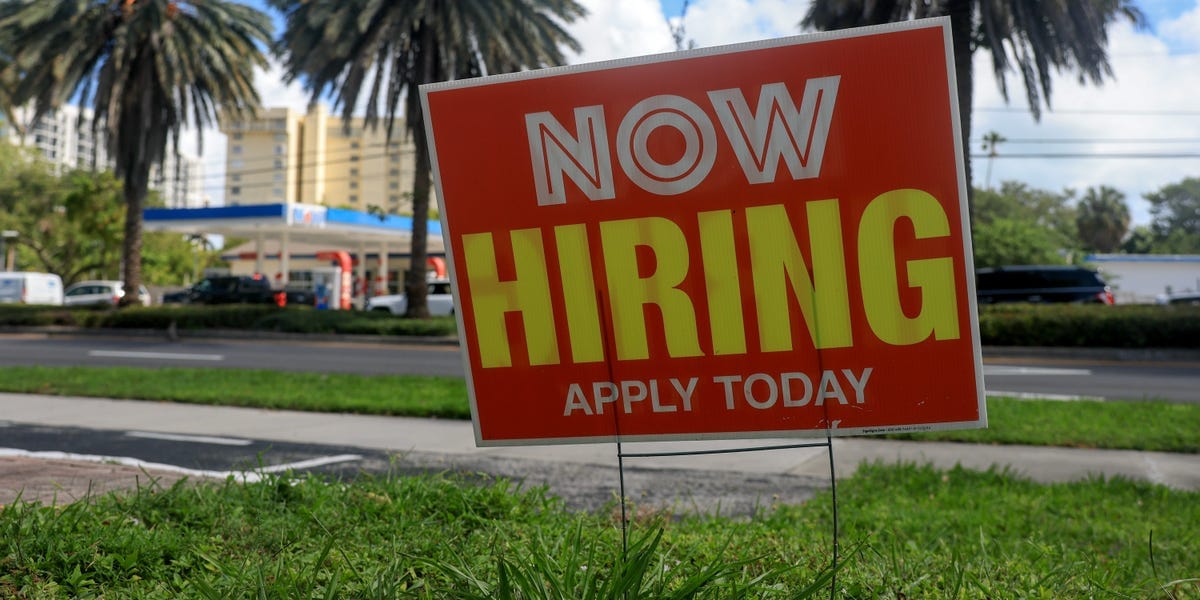
Economists, journalists and investors will not be checking their screens for a fresh jobs report today, as the U.S. Bureau of Labor Statistics has again postponed the release of its monthly employment data. This marks the second consecutive month that the agency has withheld the report, citing ongoing technical and staffing challenges that have disrupted its normal publishing schedule.
In the absence of the official numbers, six recent analyses have emerged to fill the information gap. One study examines private payroll data from a major payroll processor, showing modest hiring gains in the service sector. Another analysis tracks job openings and labor turnover from a quarterly survey, indicating that vacancies remain elevated despite a slight slowdown in employer demand. A third report looks at initial unemployment claims, which have edged lower over the past two weeks, suggesting a continued easing of layoffs. Additional assessments include a consumer confidence index that points to steady sentiment about the labor market, a manufacturing survey that notes a marginal rise in production‑related hiring, and a social‑media‑based hiring trend review that highlights increased recruitment activity on professional networking platforms.
Market participants have responded with cautious optimism. Financial analysts note that the convergence of these alternative indicators provides a reasonably clear picture of a labor market that is still expanding, albeit at a slower pace than earlier in the year. Policy makers are said to be monitoring the data closely, acknowledging that the lack of an official report adds uncertainty to inflation and interest‑rate forecasts. Investors, meanwhile, have adjusted short‑term strategies by giving more weight to the proxy metrics until the government resume regular reporting.
Looking ahead, the bureau has indicated that it aims to restore the monthly releases by the next reporting cycle, though no exact date has been set. In the meantime, economists stress the importance of continuing to track a broad set of employment gauges to gauge the health of the economy and to inform both fiscal and monetary policy decisions.