New Study Finds Dinosaurs Thriving in North America Prior to Asteroid Impact
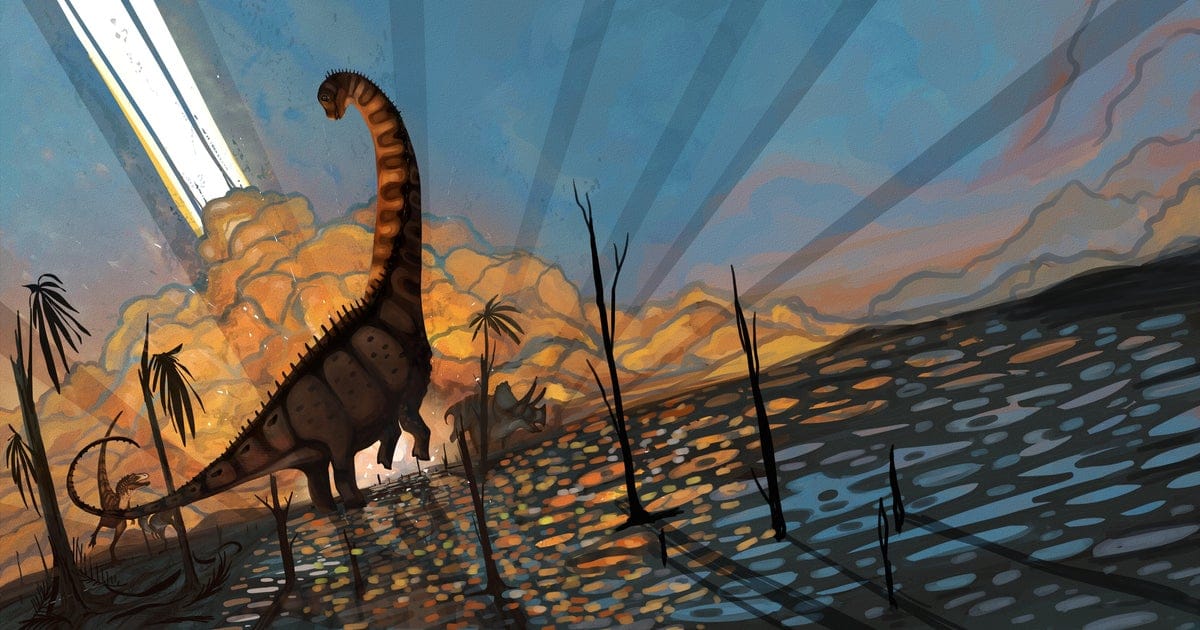
Scientists have long debated whether dinosaur populations were already in decline before the asteroid strike that marked the end of the Cretaceous period 66 million years ago. A new analysis of fossil assemblages from the western United States suggests that, contrary to earlier assumptions, many dinosaur species were flourishing across North America in the final few million years before the impact.
The research, conducted by a team of paleontologists from several universities, examined more than 300 fossil sites spanning the Maastrichtian age. By applying stratigraphic dating and statistical modeling of species abundance, the team reconstructed population trends for several well‑known groups, including hadrosaurs, ceratopsians, and tyrannosaurids. The results indicated stable or increasing numbers for most taxa, with evidence of continued diversification in herbivorous dinosaurs and sustained apex predator presence.
These findings challenge the hypothesis that a gradual environmental deterioration had weakened dinosaur ecosystems before the extraterrestrial event. Earlier studies had pointed to climate shifts, volcanic activity, and sea‑level changes as potential stressors that could have led to a slow decline. The new data, however, suggest that the ecosystems were resilient and that the mass extinction was primarily driven by the sudden, catastrophic effects of the impact, such as global firestorms, darkness, and a collapse of food chains.
Experts not involved in the study noted that the work adds a valuable piece to the complex puzzle of the end‑Cretaceous extinction. While the analysis relies on the best available fossil records, researchers caution that gaps remain in the global dataset and that further discoveries could refine the picture. Ongoing investigations aim to compare North American trends with contemporaneous sites in Asia and Europe to determine whether similar patterns existed worldwide. The study underscores the importance of high‑resolution paleontological data in understanding both ancient and modern biodiversity crises.