New Fossil Study Shows Dinosaurs Thrived in North America Before Asteroid Extinction
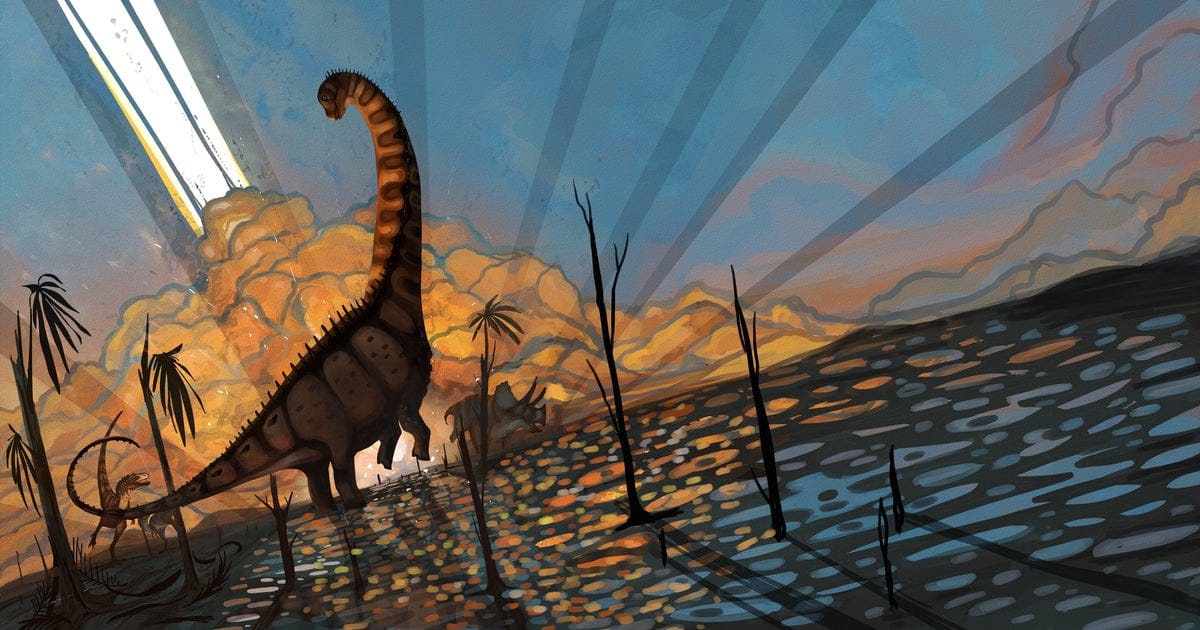
Scientists have long debated whether dinosaur populations were already in decline before the asteroid impact that ended the Cretaceous period 66 million years ago. A recent study, based on an expanded fossil record from several North American sites, indicates that many dinosaur groups were actually maintaining stable or growing numbers up until the catastrophic event.
The research team analyzed over 2,000 fossil specimens collected from the Hell Creek, Judith River, and Lance formations, employing statistical models that account for sampling bias and preservation rates. Results show a consistent abundance of herbivorous and carnivorous species across the late Maastrichtian stage, contradicting earlier hypotheses that suggested a gradual ecological downturn preceding the impact.
"The data do not support a long‑term decline in dinosaur diversity or population size," the lead researcher said in a generic statement. "Instead, the evidence points to a vibrant ecosystem that was abruptly terminated by the impact event." Other paleontologists and independent experts echoed this view, noting that the findings align with recent climate models that portray relatively stable environmental conditions in the final million years of the Cretaceous.
These conclusions reshape the narrative of the mass extinction, emphasizing the suddenness of the asteroid’s effects rather than a protracted collapse. The study also underscores the importance of continued fieldwork and refined analytical techniques to improve our understanding of deep‑time ecosystems. Future investigations are expected to focus on other continents to determine whether similar patterns existed globally, potentially offering a more comprehensive picture of the final chapter of dinosaur history.