Mummified Dinosaurs from Wyoming Show Some Species Had Hooves, Study Finds
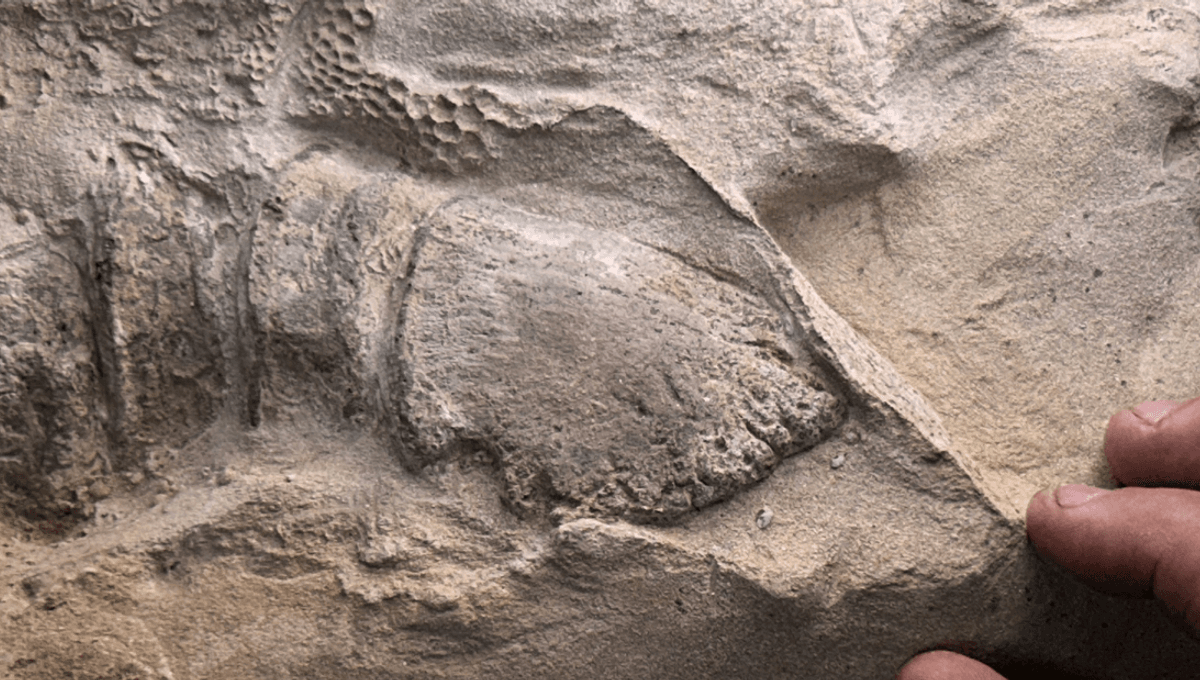
Scientists have announced the first definitive evidence that some dinosaurs possessed true hooves, based on two exceptionally preserved mummified specimens uncovered in the Badlands of Wyoming. The find, reported in a recent peer‑reviewed study, challenges long‑standing assumptions about dinosaur limb anatomy and offers new insight into the evolutionary pathways that led to modern ungulates.
The two fossils, each representing a different ornithischian species, were recovered from sediment layers dating to the Late Cretaceous, roughly 75 million years ago. Their skin impressions retain clear outlines of keratinous pads that match the morphology of hooves rather than claws or hooved toes typical of birds. Researchers employed high‑resolution CT scanning and microscopic analysis to confirm that the structures are composed of dense, growth‑banded tissue consistent with true hooves.
Prior to this discovery, most dinosaur foot fossils showed evidence of clawed digits or broad, padded soles, leading scientists to infer that hooves were a trait exclusive to later mammals. The presence of hooves in these Cretaceous herbivores suggests a convergent evolutionary experiment, possibly linked to a grazing lifestyle on open, arid plains where a durable, weight‑bearing foot would confer an advantage.
The findings have been met with cautious enthusiasm by the paleontological community. Experts note that while the specimens provide compelling physical evidence, additional discoveries will be needed to determine how widespread hooved feet were among dinosaurs. Some analysts propose that the trait may have been limited to a specific clade adapted to particular ecological niches, whereas others view it as an early step toward the hoofed mammals that emerged after the extinction event.
Future research will focus on locating more mummified specimens and applying similar imaging techniques to better map the distribution of hoof-like structures across the dinosaur fossil record. If corroborated, the presence of hooves could prompt a reevaluation of locomotion models for certain herbivorous dinosaurs and refine our understanding of the evolutionary pressures that shaped the transition from reptilian to mammalian foot architecture.