Mother Shares Rare Neurological Diagnosis Experience and Becomes NMOSD Advocate
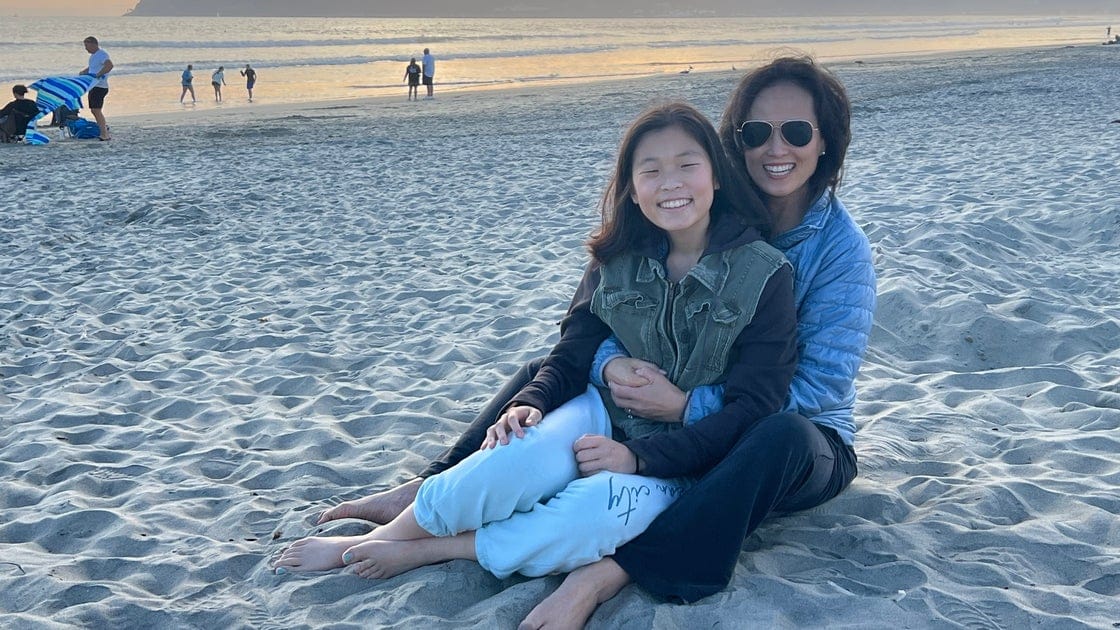
A mother recounts the moment she learned her daughter had been diagnosed with neuromyelitis optica spectrum disorder (NMOSD), a rare autoimmune condition that attacks the central nervous system. The revelation prompted the family to join the Sumaira Foundation, an organization dedicated to supporting patients and raising public awareness of the disease.
NMOSD, which can cause severe vision loss, paralysis, and chronic pain, affects an estimated 1 to 2 individuals per 100,000 worldwide. Early diagnosis is challenging because its symptoms often mimic multiple sclerosis. Medical experts emphasize the importance of timely treatment with immunosuppressive therapies to reduce relapse frequency and prevent irreversible disability.
Following the diagnosis, the mother and her daughter became ambassadors for the Sumaira Foundation. In July 2023, they attended a fundraising and education event at the University of California, Los Angeles (UCLA), where they shared their story with attendees and helped spotlight the need for increased research funding. Organizers noted that personal testimonies like theirs play a crucial role in humanizing the condition and encouraging donor support.
Representatives from the foundation described the ambassador program as a way to connect patients with resources, clinical trial information, and peer support networks. "Having families directly involved allows us to convey the everyday realities of living with NMOSD," a spokesperson said. Health professionals at the event highlighted recent advances in diagnostic criteria and emerging therapies that have improved outcomes for many patients.
While the family's experience underscores the emotional toll of a life‑altering diagnosis, it also illustrates how advocacy can foster community resilience. Analysts note that increased visibility for rare diseases often leads to policy changes that expand insurance coverage for specialized treatments.
Looking ahead, the mother and her daughter plan to continue their involvement with the Sumaira Foundation, aiming to educate the public and support research initiatives that could eventually lead to more effective, disease‑modifying therapies. Their ongoing efforts reflect a broader trend of patient‑led activism shaping the future of rare disease care.