Many Prospective Homebuyers Frozen Out of the Housing Market
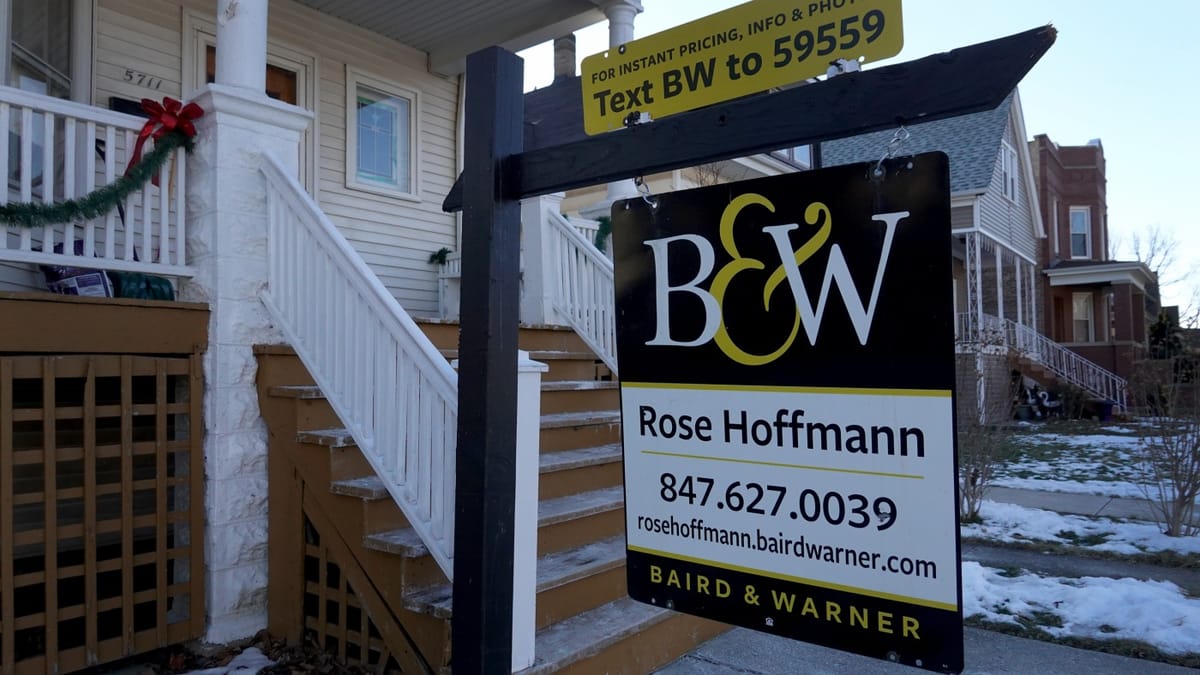
First-time homebuyers are getting older, a trend that prompted the National Association of Realtors (NAR) to scrap the photo originally planned for the cover of its latest market report. The agency said the image, which depicted a young couple holding a "sold" sign, no longer reflected the demographic reality of many would‑be buyers.
According to NAR's data, the median age of first‑time purchasers has risen to 34, up from 29 a decade ago. Rising home prices, higher mortgage rates and stricter lending standards have combined to push many younger adults out of the market, forcing them to delay homeownership until later in life. In major metros, median home values now exceed 2.5 times the average household income, a ratio that has not been seen since the early 2000s.
Economists attribute the shift to a combination of supply constraints and macro‑economic pressures. Limited new construction, combined with a surge in investor purchases, has tightened inventory. At the same time, the Federal Reserve’s policy of raising interest rates to curb inflation has increased mortgage costs, making monthly payments less affordable for many renters. Industry analysts note that the slowdown in entry‑level home sales could have broader implications for the housing market’s stability.
Officials from NAR and other industry groups have called for policy measures to improve affordability. They suggest expanding down‑payment assistance programs, encouraging the construction of affordable housing units, and revisiting credit‑scoring models that may penalize younger borrowers with limited credit histories. "Addressing the affordability gap is essential for sustaining a healthy market and ensuring that younger generations can achieve homeownership," a spokesperson for NAR said.
Local authorities in several states are already experimenting with incentive schemes, such as tax credits for first‑time buyers and streamlined permitting processes for multi‑family developments. Early indicators show modest increases in affordable unit construction, though critics argue that broader federal action is needed to make a significant impact.
Looking ahead, experts warn that if current trends continue, the average age of first‑time buyers could rise further, potentially reshaping the long‑term dynamics of the housing market. Continued monitoring of price growth, mortgage rates, and policy responses will be crucial to determining whether the market can reopen to younger purchasers or remain dominated by older, more financially established buyers.