Magical Dinosaur Fossil Unearthed in Mongolia, Shining Like a Jewel
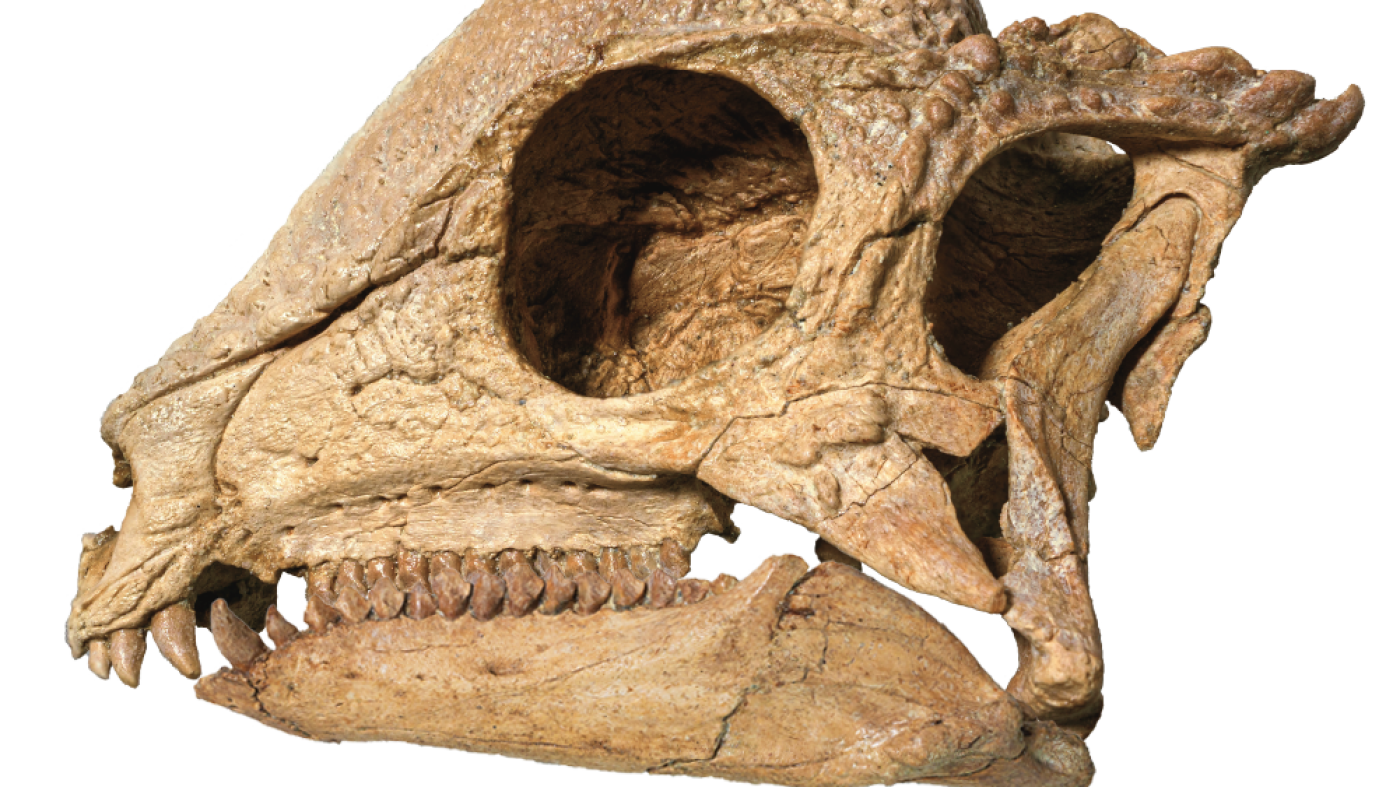
On a cloudy morning in southeastern Mongolia, a team of paleontologists led by Chinzorig Tsogtbaatar left their campsite on foot to examine a rocky outcrop estimated to be around 110 million years old. The expedition, part of a broader survey of the region’s Cretaceous formations, resulted in the discovery of an exceptionally well‑preserved dinosaur specimen that appeared to emerge from the earth with a polished, jewel‑like sheen.
The fossil, identified as a partial skeleton of a theropod dinosaur, displayed a remarkable level of articulation and surface preservation. Researchers noted that the bone surfaces were coated with a thin, mineralized layer that reflected light, giving the impression of a polished gemstone. Such preservation is rare in the harsh, arid environments of the Gobi Basin, where exposure and erosion typically degrade fossil material.
Scientists estimate the specimen dates to the early Late Cretaceous, a period marked by diverse dinosaur fauna across Asia. The find adds to a growing body of evidence that the region served as a hotspot for theropod evolution. Comparisons with previously recovered specimens suggest the dinosaur may belong to a previously under‑documented clade, potentially offering new insights into predatory adaptations during that era.
Officials from Mongolia’s Ministry of Education, Culture, Science and Sports praised the discovery as a significant contribution to the nation’s natural heritage. Paleontological experts emphasized that the specimen’s exceptional condition could improve understanding of fossilization processes, particularly the role of mineral-rich groundwater in preserving bone integrity. The team plans to conduct detailed laboratory analyses, including CT scanning and isotopic testing, to reconstruct the animal’s life history.
Looking ahead, the researchers intend to expand fieldwork in adjacent formations, hoping to locate additional specimens that could corroborate their preliminary classification. The find is expected to attract international scientific interest and may stimulate collaborative projects aimed at unraveling the evolutionary pathways of Cretaceous theropods in Central Asia.