‘Magical’ Dinosaur Fossil Unearthed in Mongolia Shines Like a Polished Jewel
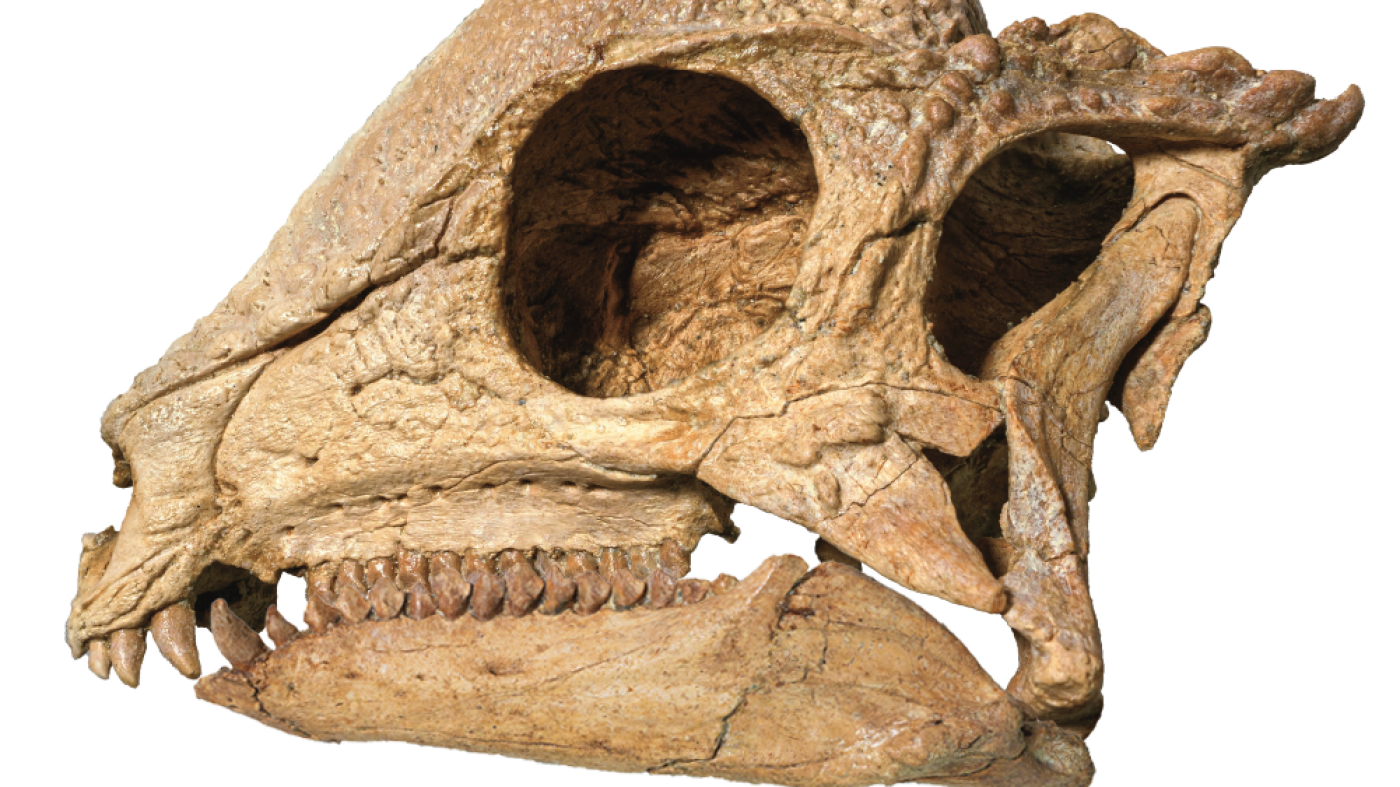
On a cloudy morning in southeastern Mongolia, a team of paleontologists led by Chinzorig Tsogtbaatar trekked from their campsite to a remote rocky outcrop dating back roughly 110 million years. While navigating the sedimentary layers of the Cretaceous formation, they uncovered a remarkably well‑preserved dinosaur specimen that glimmered in the dim light, prompting the researchers to describe it as “magical” and likening its appearance to a polished jewel.
The fossil, identified as a partial skeleton of a theropod dinosaur, includes an intact skull, several vertebrae, and a series of articulated limb bones. Its preservation is exceptional: the bone surfaces retain fine textures and mineralized deposits that reflect the original coloration patterns of the animal’s skin. Preliminary analysis suggests the specimen belongs to a previously undocumented species within the larger group of early tyrannosauriforms, offering new insights into the diversity of predatory dinosaurs that roamed Asia during the mid‑Cretaceous.
Scientists from the Mongolian Academy of Sciences, together with international collaborators, have begun a detailed study of the find. The team plans to use high‑resolution CT scanning and isotopic dating to refine the fossil’s age and reconstruct the paleoenvironment in which the dinosaur lived. Experts note that such a well‑preserved specimen can shed light on evolutionary trends, such as the development of cranial ornamentation and feeding adaptations, that later gave rise to the iconic tyrannosaurids of the Late Cretaceous.
The discovery has drawn attention from the global scientific community and local authorities alike. Officials emphasized the importance of protecting Mongolia’s rich fossil heritage, while industry analysts highlighted the potential for increased scientific tourism in the region. Researchers expect to publish a formal description of the new species within the next year, and the find may prompt further expeditions to the area, which remains a relatively under‑explored hotspot for Cretaceous vertebrate fossils.