Leonid Meteor Shower Peaks This Week, Offering One of the Best Shows in Years
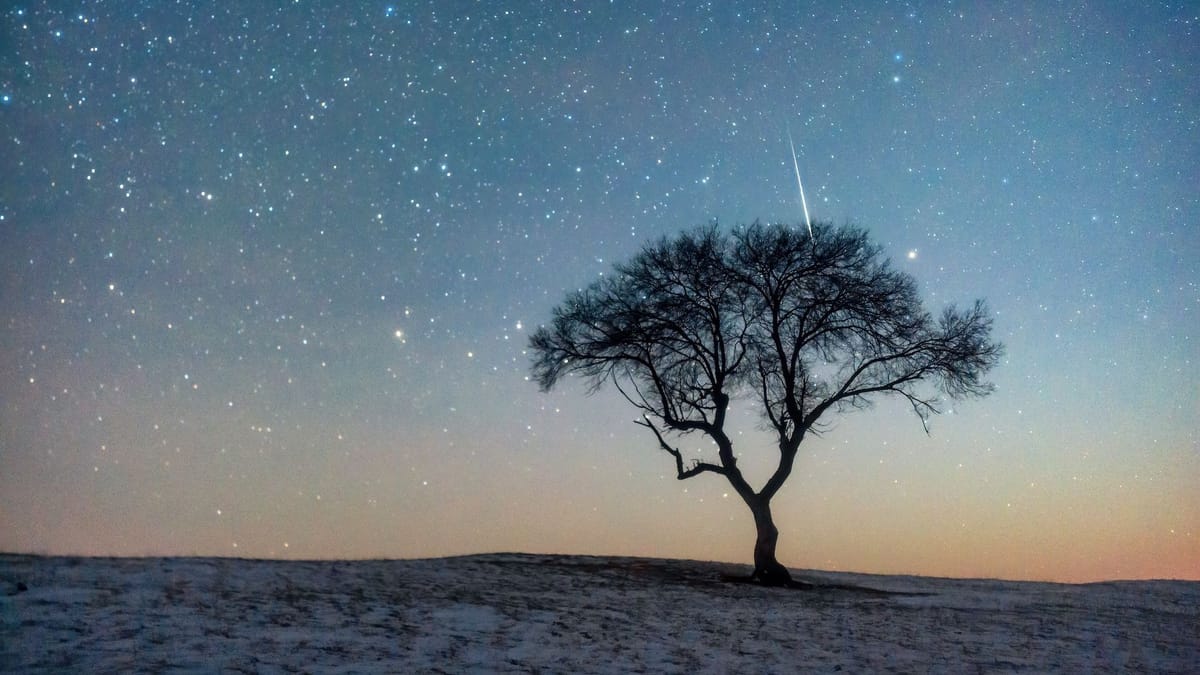
The annual Leonid meteor shower is set to reach its peak in the early pre‑dawn hours of Monday, November 17, offering observers the chance to see up to 15 meteors per hour under dark, moonless skies. The display is expected to be especially vivid because the moon will set well before the shower’s maximum, providing a clear backdrop for the streaking fireballs.
Leonids are produced by debris left behind by Comet Tempel‑Tuttle, which orbits the Sun roughly every 33 years. When Earth passes through this trail of dust and rock, particles burn up in the atmosphere, creating the bright trails known as meteors. The current peak follows a particularly dense segment of the comet’s stream, a factor that historically has produced some of the most impressive displays, such as the spectacular storms of 1833 and 1966.
For optimal viewing, experts recommend finding a location away from city lights, facing north to east, and allowing the eyes to adjust to darkness for at least 20 minutes. While the shower’s activity is expected to be strongest between 3:00 a.m. and 5:00 a.m. local time, observers who stay up late on Sunday night may also catch the early phases of the outburst. Weather forecasts indicate clear skies across much of the continental United States, though local cloud cover could affect visibility in some regions.
Officials from astronomy societies note that this year’s Leonids present a valuable opportunity for both seasoned stargazers and the general public to engage with a natural celestial event. Educational programs and live‑stream coverage are being organized by several observatories to reach audiences who cannot view the shower in person.
Looking ahead, the next significant Leonid peak will occur in 2032, when Comet Tempel‑Tuttle returns to perihelion and deposits fresh material into its trail. Until then, the November 17 display stands out as a highlight for skywatchers seeking a memorable night under the stars.