Leaker Suggests 2026 iPhone Air May Add Dual Rear Cameras
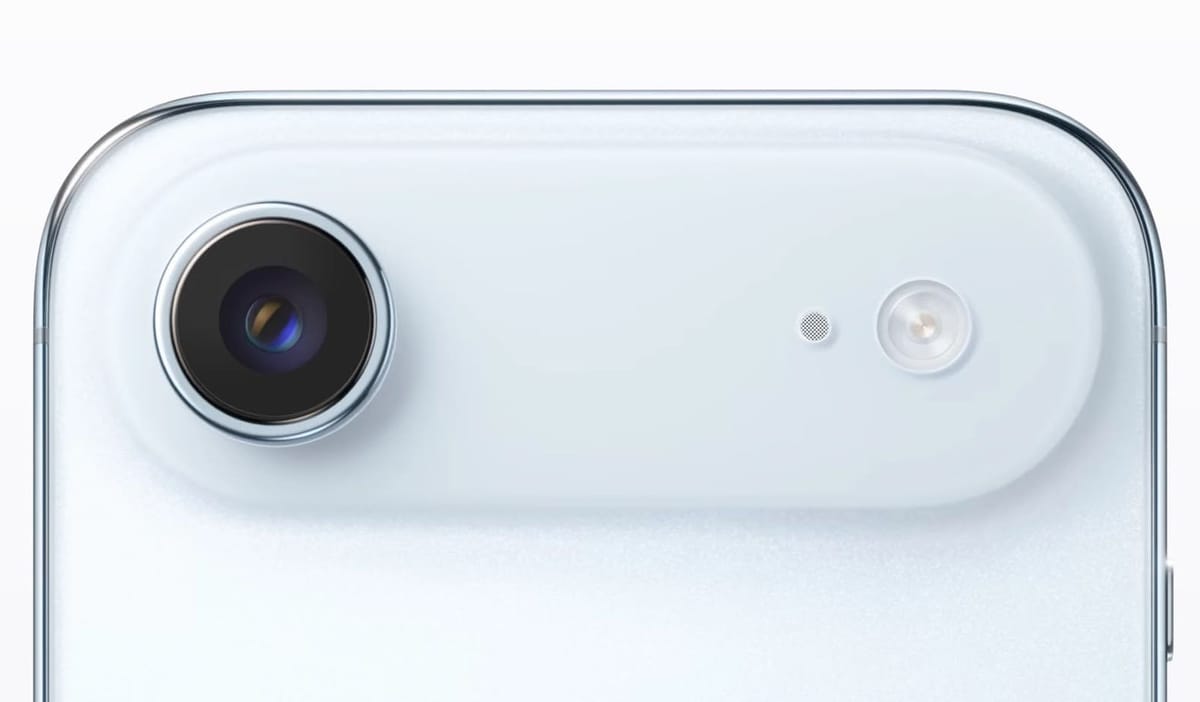
Apple is reportedly working on a second generation of its iPhone Air line, slated for a 2026 release, that could replace the single rear camera of the current model with a dual‑camera system. The information comes from a Chinese social‑media account that frequently posts supply‑chain based leaks, and it cites unnamed sources within Apple’s manufacturing partners.
The upcoming Air model is expected to retain the lightweight design and mid‑range price point that differentiate it from the flagship iPhone Pro series. Analysts note that a dual‑camera setup would bring the Air closer to the photographic capabilities of higher‑end devices while still offering a cost‑effective alternative for consumers who do not require the full Pro‑level hardware.
Apple has historically introduced incremental hardware upgrades to the Air line, such as a larger display and a faster processor in the previous iteration. Industry observers say the addition of an extra lens aligns with broader market trends, where competitors are standardising multi‑camera arrays even on budget‑oriented smartphones. Generic statements from supply‑chain insiders suggest that the new camera module would likely combine a wide‑angle sensor with an ultra‑wide lens, providing users with greater flexibility for everyday photography.
Market analysts predict that the enhanced camera capability could boost the Air’s appeal in regions where price sensitivity coexists with a strong demand for capable photography, such as emerging markets in Asia and Latin America. They also caution that the actual impact will depend on pricing strategy and the timing of the launch relative to competing devices from other manufacturers.
Apple has not confirmed any details about the next‑generation iPhone Air. The company typically announces new hardware during its annual fall event, and observers will be watching for official specifications later this year. Until then, the dual‑camera rumor adds another variable to the evolving landscape of mid‑range smartphones.