Largest Supermoon of 2025 Illuminates Night Sky Amid Southern Taurid Meteor Shower
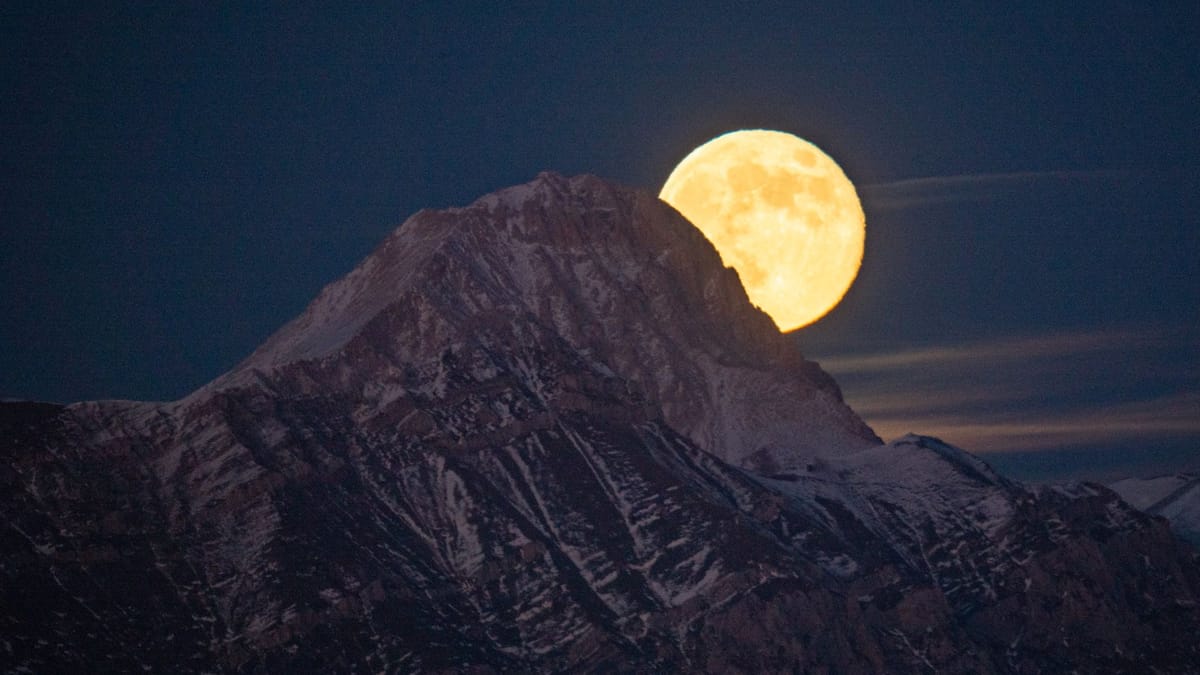
The November full moon will appear as the most prominent supermoon of 2025, rising tonight and offering observers a striking display of lunar brightness. Astronomers note that the moon will be at perigee—the point in its orbit closest to Earth—making it appear up to 14 percent larger and 30 percent brighter than a typical full moon.
Coinciding with the moon’s peak, the Southern Taurid meteor shower is expected to reach its maximum activity within the same window. The Taurids, which originate from debris left by comet 2P/Encke, are known for producing slow-moving fireballs that can be visible to the naked eye, especially under dark, clear skies. The combination of a supermoon and an active meteor shower promises an enhanced visual spectacle for both amateur stargazers and professional observers.
Experts explain that supermoons occur several times each year, but the November event stands out due to its timing near the lunar perigee and its alignment with a well‑known meteor shower. While the meteor shower’s peak typically yields 5 to 10 meteors per hour, the increased illumination from the supermoon may make fainter meteors harder to see, prompting observers to focus on brighter fireballs.
Local authorities in regions with low light pollution are encouraging residents to take advantage of the event by gathering in open spaces away from city lights. Public parks and observatories are expected to host informal viewing sessions, and weather services forecast clear skies across much of the southern hemisphere, improving viewing conditions.
Looking ahead, astronomers anticipate that the supermoon will be followed by a series of regular full moons, with no further supermoons expected until 2026. The November display, however, offers a memorable opportunity for the public to engage with celestial phenomena and underscores the continued interest in natural sky events as a means of fostering public interest in astronomy.