Key Facts About the New York City Mayoral Election
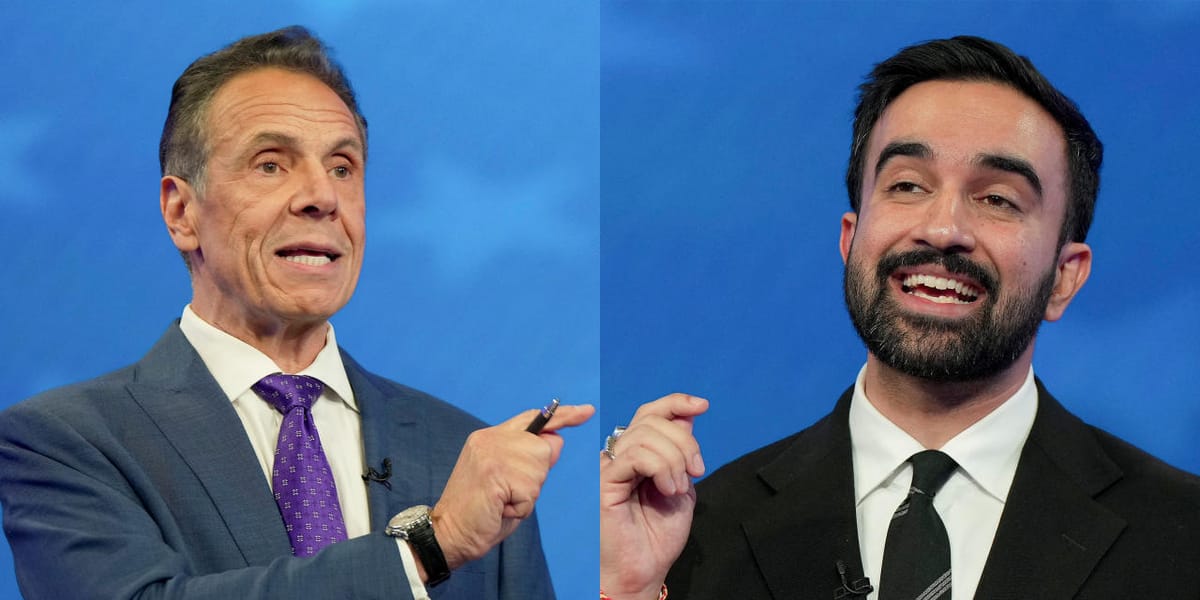
The upcoming New York City mayoral election, scheduled for early November, is drawing heightened attention as the city prepares for a transition that could shape policy on housing, public safety, and transportation for the next four years. Voters will cast ballots for the mayor as well as for numerous local offices, making the election one of the most comprehensive municipal contests in the United States.
Several candidates have emerged from the major parties, each positioning themselves around core urban issues. The Democratic field includes a mix of incumbent city officials and community leaders who emphasize affordable housing initiatives and climate‑resilient infrastructure. The Republican slate highlights public‑order concerns and fiscal responsibility, while a growing number of independent and third‑party contenders are focusing on police reform and education funding. Campaign platforms are converging on themes such as expanding broadband access, improving subway reliability, and addressing the city's budget shortfall.
Historically, New York City elections have been marked by robust voter turnout, though recent cycles have shown fluctuations due to pandemic‑related voting changes. The outgoing mayor, who completed two terms, left office with a mixed record on crime statistics and pandemic recovery, setting the stage for candidates to critique past policies while proposing new solutions. Early polling suggests a competitive race, with no single candidate securing a decisive lead, and analysts note that swing neighborhoods in Brooklyn and Queens could prove decisive.
Looking ahead, observers say the election will serve as a bellwether for broader national trends, especially as the city grapples with rising rent prices and evolving public safety debates. City officials have urged voters to register early and consider mail‑in ballots to mitigate congestion at polling sites. Political scientists anticipate that the outcome could influence state‑level legislation on housing vouchers and transit funding, while local advocacy groups plan to monitor the new administration’s approach to climate adaptation and equity programs. The final results, expected to be certified within days of the vote, will determine the direction of New York City’s policy agenda heading into the mid‑2020s.