Indiana Governor Calls Special Session to Redraw Congressional Map
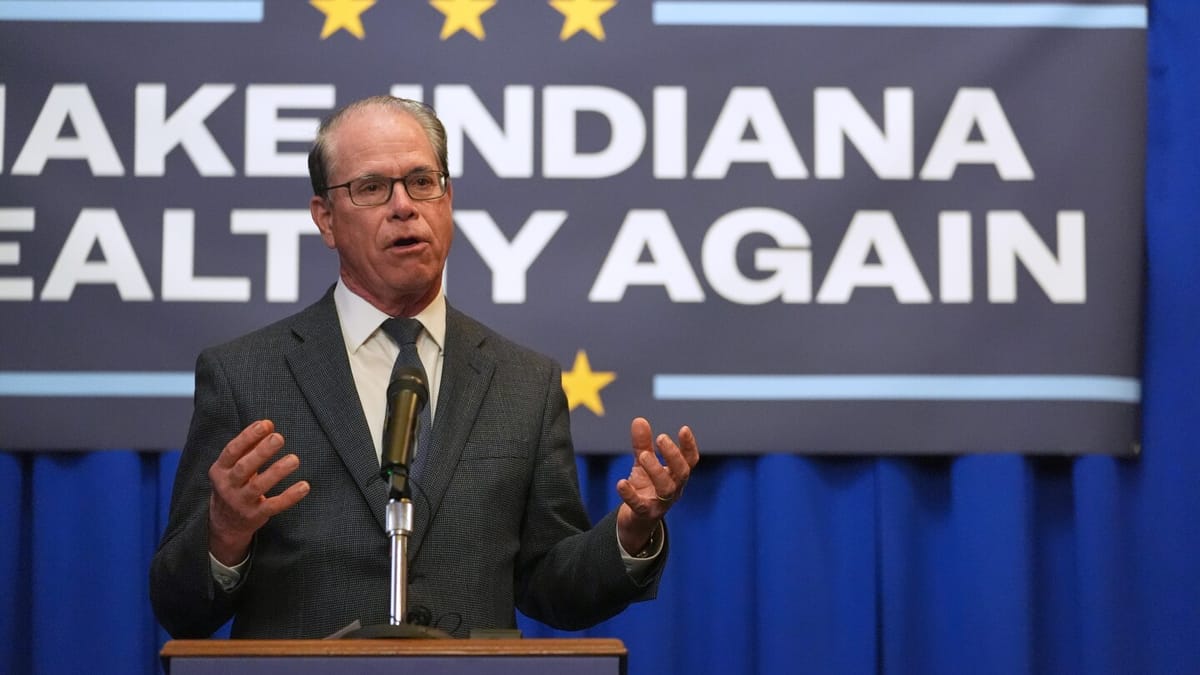
Indiana Republican Governor Mike Braun announced on Monday that state legislators will convene in Indianapolis for a special session aimed at redrawing the state's congressional districts. The call comes as the current map, drawn after the 2020 census, faces multiple legal challenges alleging partisan gerrymandering. Braun framed the session as a necessary step to ensure compliance with constitutional standards and to avoid further court intervention.
The redistricting process in Indiana has been contentious for years, with previous maps drawn by a bipartisan commission and later altered by the Republican-controlled legislature. Nationwide, several states are grappling with similar disputes as courts increasingly scrutinize district lines for fairness. Legal experts note that the Supreme Court has signaled a willingness to address extreme partisan bias, though it has not established a clear standard. In Indiana, lawsuits filed by voter rights groups argue that the existing districts dilute Democratic votes and favor Republican incumbents.
Reactions to Braun's announcement have been mixed. Republican leaders in the state legislature expressed support, emphasizing the need for a map that reflects population shifts and respects community boundaries. Democratic officials, however, warned that a hastily drawn map could entrench partisan advantage and called for a transparent, public process. Independent analysts suggested that any new map will likely be scrutinized by federal courts, given the heightened national focus on redistricting fairness.
The special session is scheduled to begin within the next two weeks, with lawmakers expected to produce a revised map before the upcoming primary elections in May. If the legislature adopts a new plan, it will still be subject to potential legal challenges. Observers anticipate that the outcome could influence Indiana's representation in the U.S. House for the next decade, highlighting the broader significance of state-level redistricting battles across the country.