Increasing Gun Purchases Among Liberals, People of Color, and LGBTQ Americans Driven by Fear
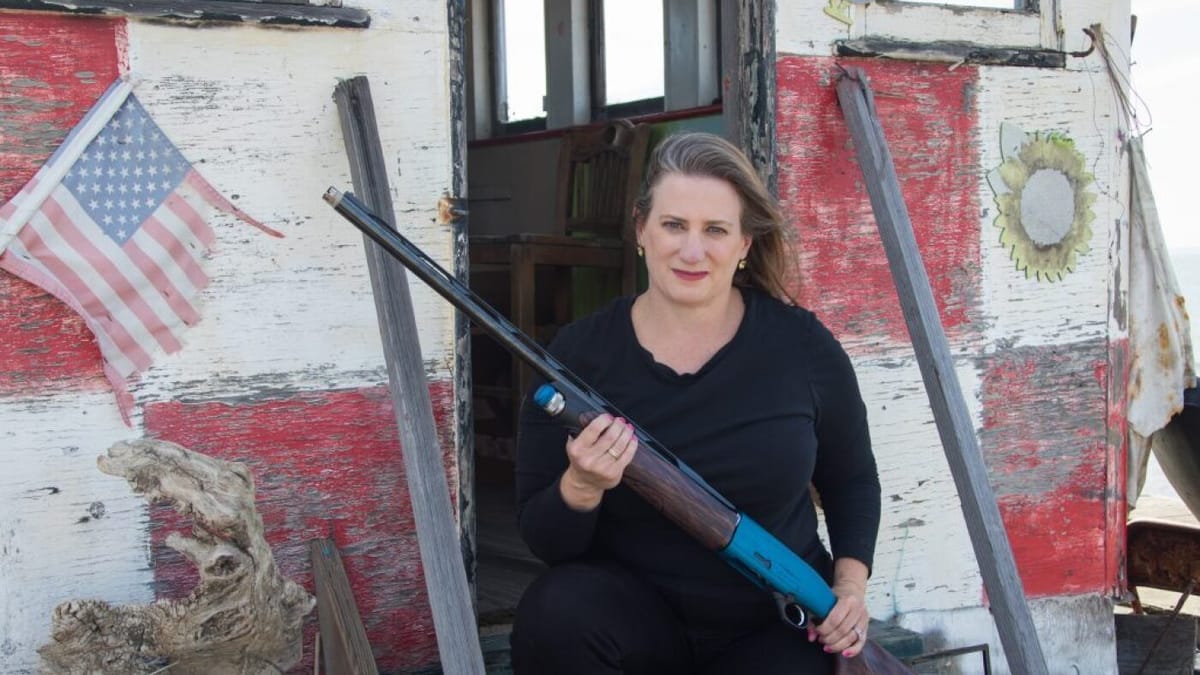
Recent surveys indicate a notable rise in firearm purchases among demographic groups that have historically shown lower rates of gun ownership, including liberals, people of color, and LGBTQ Americans. The trend appears to be motivated by heightened concerns over personal safety, prompting many to acquire firearms despite previously limited interest.
One illustrative anecdote comes from Charles, who grew up in 1970s Brooklyn under a mother who prohibited any toy guns, even water pistols. Reflecting on his childhood, Charles now observes that the current generation faces a markedly different climate, with many citing rising crime rates, civil unrest, and uncertainties surrounding law‑enforcement response as key factors influencing their decision to buy guns.
Data collected by several polling organizations in the past year show that roughly one‑third of respondents identifying as liberal, a similar proportion of Black and Hispanic adults, and an increasing share of LGBTQ individuals reported considering or completing a gun purchase in the last twelve months. Analysts attribute this shift to a combination of factors: heightened media coverage of violent incidents, perception of inadequate public safety measures, and broader political polarization that has intensified feelings of vulnerability.
Officials from local law‑enforcement agencies acknowledge the surge but caution that increased gun ownership does not automatically translate into improved security. “The rise in purchases reflects genuine fear among communities that feel under‑protected,” a spokesperson for a major city police department said, adding that authorities are focusing on community outreach and education to promote responsible handling.
Experts in public policy suggest that the phenomenon could have mixed implications. While some argue that responsible gun ownership may deter crime, others warn of potential escalation in accidental shootings and challenges for law‑enforcement agencies in distinguishing lawful owners from illicit activity. Ongoing studies aim to assess whether the trend will persist as the nation grapples with broader social and economic pressures.
As the debate over gun rights and public safety continues, the emerging pattern underscores a shift in how traditionally non‑gun‑owning groups perceive risk and respond to it, signaling a complex intersection of cultural, political, and security concerns that will shape future policy discussions.