In Zach Bryan's Hometown, Residents Largely Back Stricter Immigration Enforcement, Though With Reservations
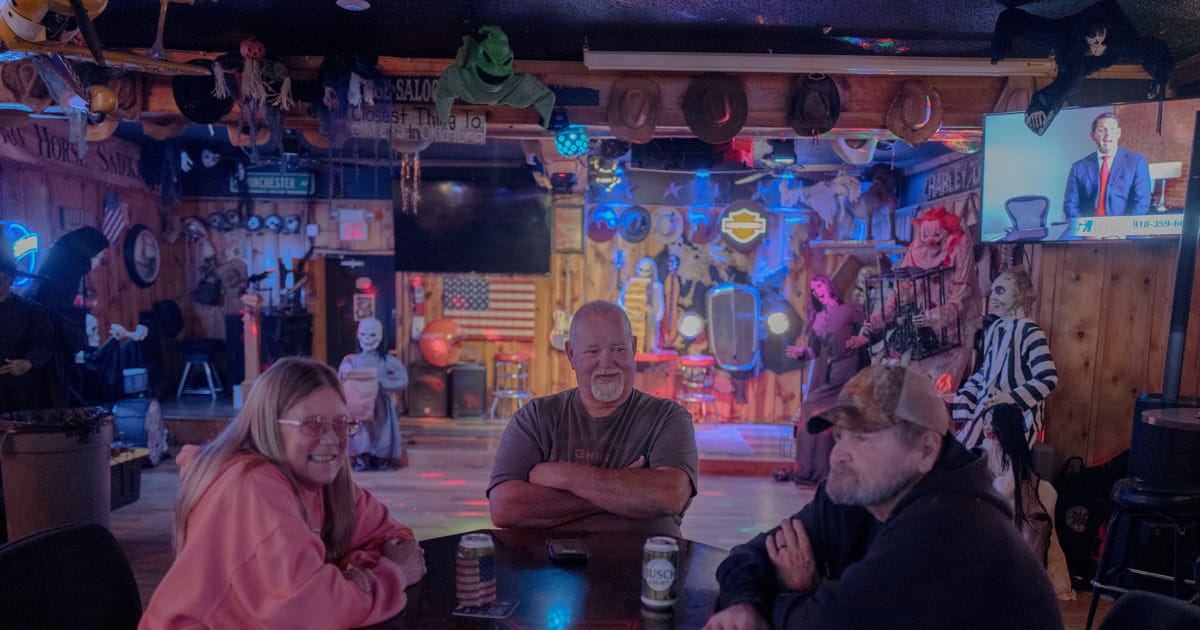
In the small community that raised country‑rock singer Zach Bryan, a recent town meeting revealed that a majority of residents favor tougher immigration enforcement, albeit with several notable qualifications, according to local reporting.
The discussion was prompted by a public forum in which a community activist, identified only as Russell, urged attendees to consider the practical impacts of current immigration policies. “He kind of opened their eyes a little bit to what they’re actually doing, because it’s not something we should turn our heads from,” Russell said, summarizing the sentiment that many locals feel is being overlooked by national debates.
While the town’s population is modest, its location along a regional transportation corridor makes it a point of passage for migrants traveling northward. Residents expressed concerns about strain on local services, school enrollment pressures, and competition for low‑wage jobs. At the same time, several longtime inhabitants highlighted the cultural contributions and labor that undocumented workers provide, noting that the community’s agricultural sector relies heavily on seasonal labor.
Local officials responded by emphasizing a balanced approach. The county sheriff’s office indicated it would continue to cooperate with federal agencies but stressed the need for “clear guidelines that protect public safety without disrupting the economic fabric of our town.” Meanwhile, regional experts cautioned that overly aggressive enforcement could drive undocumented workers further underground, complicating efforts to ensure health and safety standards.
Overall, the town’s stance reflects a broader national pattern: a desire for law‑and‑order measures tempered by pragmatic concerns about local livelihoods. As the conversation continues, community leaders say they will monitor the effects of any policy changes and remain open to adjustments that address both security and economic stability.