Illinois Lawmakers Approve $1.5 B Transit Package to Strengthen Chicago‑Area Mass Transit
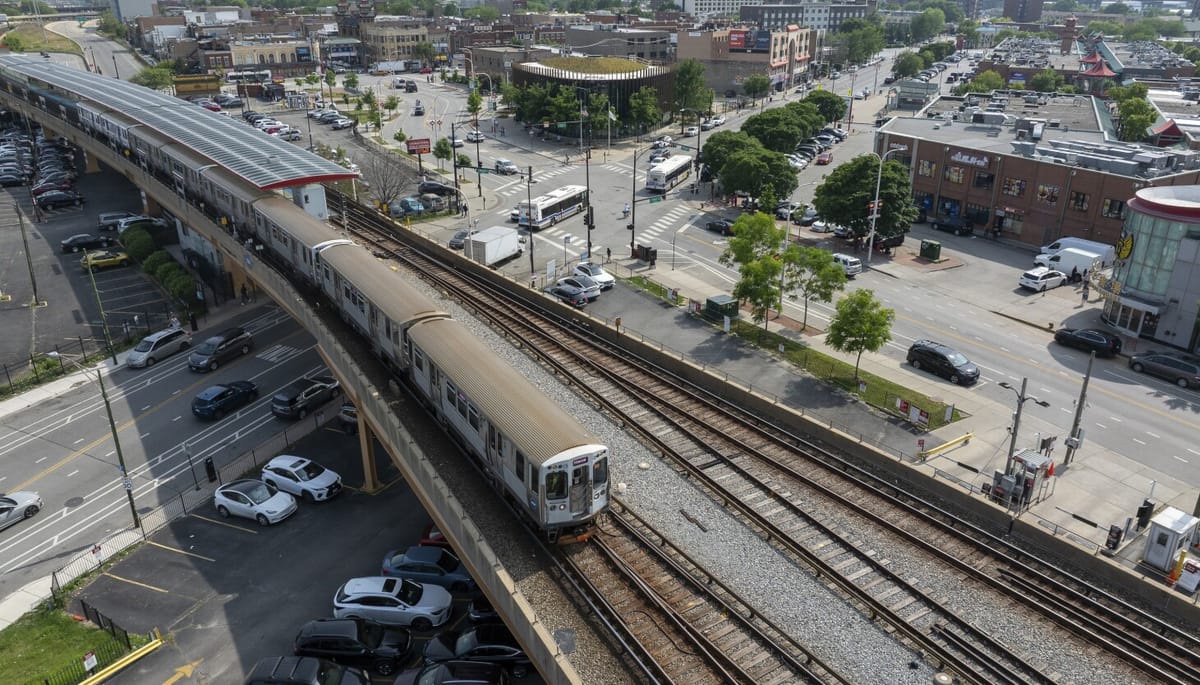
Illinois state legislators approved a $1.5 billion legislative package aimed at stabilizing the region’s struggling mass‑transit agencies early Friday, concluding the final night of the fall veto session. The bill, which passed with bipartisan support, allocates emergency funding, capital investment, and operational subsidies to the Chicago Transit Authority (CTA), Metra, and several suburban bus operators.
The legislation comes after months of financial pressure on the agencies, which have faced declining ridership, rising labor costs, and deferred maintenance. According to state officials, the new funding will cover operating deficits for the next two fiscal years, enable the purchase of new rail cars, and support upgrades to aging signal systems. The package also creates a revolving loan fund to help smaller suburban providers replace aging fleets and improve service frequency.
State leaders emphasized that the investment is intended to preserve essential mobility for commuters, students, and low‑income residents who rely on public transportation. “Ensuring reliable transit is critical for the state’s economy and for equitable access to jobs and education,” a spokesperson for the governor’s office said. Transportation experts noted that the infusion of capital could also help mitigate future fare hikes and reduce the need for additional tax measures.
Local authorities welcomed the measure but cautioned that effective implementation will require coordinated planning. Municipal officials from Chicago and surrounding suburbs indicated they will work with the agencies to prioritize projects that address bottlenecks and improve service reliability. Industry analysts predict that the funding could spur modest ridership growth as service quality improves, though they also warned that long‑term sustainability will depend on continued federal support and strategic fare policies.
The package includes provisions for oversight, requiring quarterly reporting to the legislature on fund usage and performance metrics. If approved, the measures will take effect at the start of the next fiscal year, giving agencies time to align their budgets and procurement processes. Observers view the legislation as a significant step toward shoring up the region’s transit infrastructure, which has been identified as a priority in the state’s broader transportation plan.