Highly Pathogenic Avian Influenza Linked to Sharp Decline in Southern Elephant Seals at South Georgia
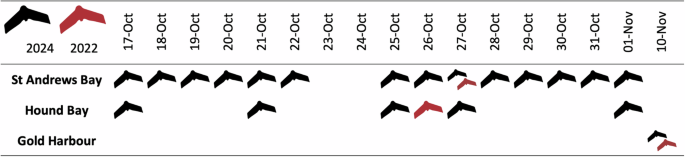
Scientists have identified a strong association between highly pathogenic avian influenza viruses (HPAIV) and a recent, dramatic decline in the southern elephant seal (Mirounga leonina) population breeding on South Georgia Island. The observation follows a multi‑year monitoring program that recorded a 30 % drop in pup numbers during the 2023–2024 breeding season, prompting researchers to investigate potential disease drivers.
Samples collected from stranded and deceased seals revealed the presence of HPAIV subtypes that are also known to circulate among seabirds in the Southern Ocean. Laboratory analysis confirmed viral RNA in lung and tracheal tissues, indicating active infection at the time of death. While avian influenza has previously been documented in penguins, gulls, and other marine birds, this is one of the first comprehensive reports linking the virus to a marine mammal species in the sub‑Antarctic region.
Experts note that the close ecological overlap between breeding seals and large colonies of seabirds creates a pathway for viral spill‑over. “The dense aggregations of both seals and birds during the summer months facilitate pathogen exchange, especially when environmental conditions favor virus stability,” a marine disease specialist explained in generic terms. Historical records show occasional respiratory illnesses in pinniped colonies, but the current outbreak appears more severe, with higher mortality rates among young pups.
Conservation authorities and wildlife health agencies have responded by expanding surveillance efforts across the South Georgia archipelago. They are deploying additional field teams to collect swabs, conduct necropsies, and monitor seal behavior for signs of respiratory distress. Preliminary recommendations include limiting human access to breeding sites, enhancing biosecurity for research vessels, and coordinating with international bodies to track avian influenza trends in the Southern Hemisphere.
The findings underscore the need for integrated wildlife disease monitoring, particularly as climate change and shifting migratory patterns may increase contact between marine mammals and infected bird populations. Ongoing research aims to clarify the transmission dynamics of HPAIV in seal colonies and to develop mitigation strategies that protect both the vulnerable elephant seal population and the broader marine ecosystem.