Halo: Campaign Evolved Sparks Fresh Unreal Engine 5 Debate
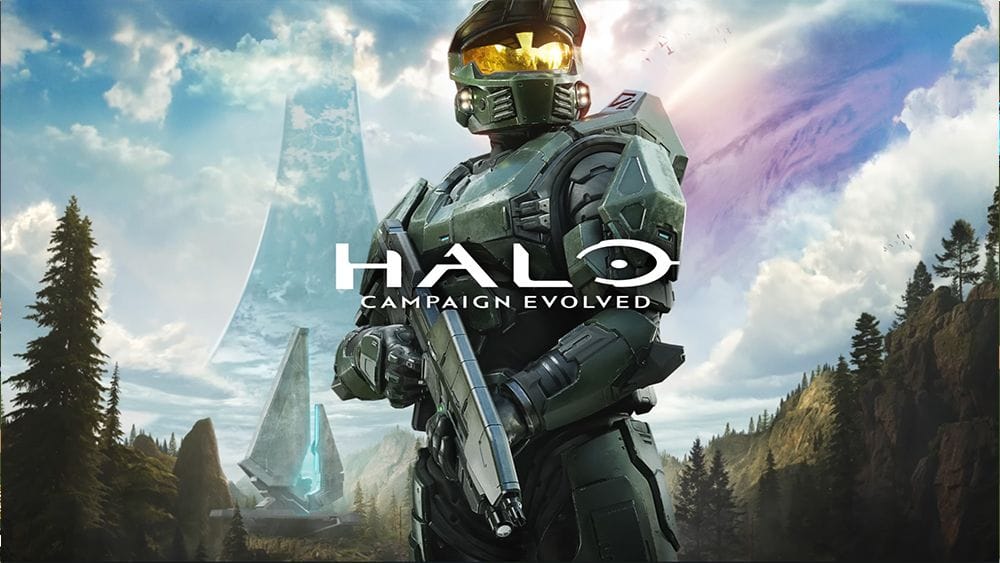
Halo: Campaign Evolved, announced for a 2026 release, has already ignited a debate among fans and industry observers over its use of Unreal Engine 5 for a remake of the 2001 Xbox classic Halo: Combat Evolved. The title, promoted as a faithful recreation of the original campaign with modern graphics and gameplay enhancements, marks a notable departure from the proprietary engines traditionally employed by the franchise.
Supporters argue that Unreal Engine 5 offers advanced lighting, high-fidelity textures, and a robust development pipeline that can streamline production and deliver a visually stunning experience on current hardware. They point to recent successes where the engine has powered high-profile releases, suggesting that the technology could breathe new life into the beloved first‑person shooter while preserving its core design.
Critics, however, raise concerns about potential compromises in performance and authenticity. Some long‑time fans fear that the engine’s architectural differences may affect the game’s signature feel, including its iconic movement mechanics and level design nuances. Additionally, there is unease about the reliance on a third‑party engine, which could limit the studio’s control over future updates and platform-specific optimizations.
Industry analysts note that the decision reflects a broader trend of studios leveraging versatile, cross‑platform engines to reduce development costs and accelerate timelines. They also highlight that the original Halo engine, now several generations old, would require substantial modernization to meet contemporary standards, making Unreal Engine 5 a pragmatic choice from a technical standpoint.
Official statements from the development team emphasize that the remake will stay true to the narrative and gameplay pillars that defined the original, while integrating modern visual fidelity. They assure that extensive testing will address performance concerns and that community feedback will be incorporated throughout the production cycle.
Looking ahead, the controversy underscores the delicate balance between preserving legacy titles and embracing new technologies. As the release date approaches, further details are expected to clarify how the studio plans to reconcile fan expectations with the capabilities of Unreal Engine 5, setting a precedent for future remakes in the industry.