Gunman Who Killed Former Japanese Prime Minister Shinzo Abe Pleads Guilty, Acknowledges Responsibility
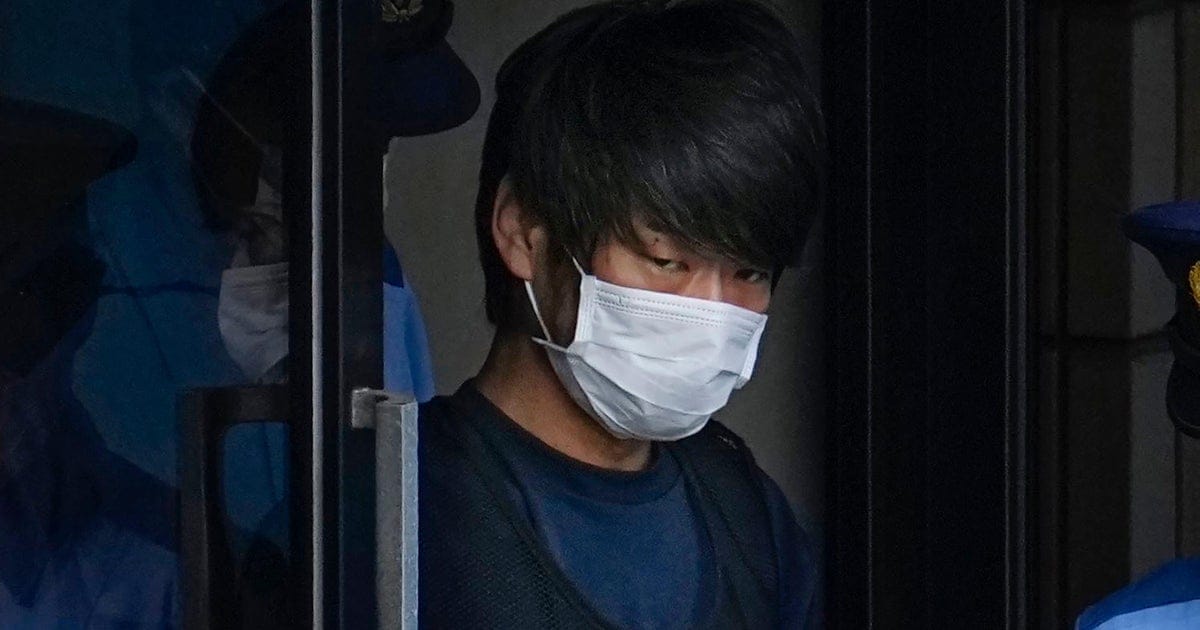
The suspect in the 2022 killing of former Japanese prime minister Shinzo Abe entered a guilty plea on Tuesday, admitting that the allegations against him were "everything is true," according to court reports. The plea was delivered at a Tokyo district court, where the defendant faced charges of murder and attempted murder of a public official.
Abe was shot during a campaign event in Nara on July 8, 2022, an attack that shocked both Japan and the international community. The assassination, carried out in broad daylight, prompted a nationwide debate on public safety and the adequacy of security measures for political figures. Abe, who served as prime minister from 2006 to 2007 and again from 2012 to 2020, later died from his injuries, prompting a period of national mourning.
The legal proceedings have been prolonged, with the trial originally scheduled for 2023 but repeatedly delayed due to procedural issues and concerns about the defendant’s mental health evaluations. Under Japanese law, a guilty plea can lead to a reduced sentence, but the maximum penalty for murder remains life imprisonment, with the possibility of parole after ten years. Prosecutors have indicated that they will seek a severe sentence, citing the premeditated nature of the attack and its impact on public confidence.
Government officials expressed relief that the case would now move toward resolution, while emphasizing the need for continued vigilance. A spokesperson for the Abe family’s office said the plea provided a measure of closure but underscored that the tragedy highlighted broader societal issues. Security experts noted that the incident spurred revisions to security protocols at public events across Japan, recommending stricter access controls and enhanced coordination among law‑enforcement agencies.
The court will schedule a sentencing hearing in the coming months, during which judges will weigh mitigating factors such as the defendant’s background and any expressions of remorse. The outcome is expected to influence ongoing discussions about political security and may set precedents for handling high‑profile crimes in Japan.