Great-Grandmother’s Insight Helps Paleontologists Solve Dinosaur Mummy Mystery
In a remote portion of the Wyoming Badlands, a chance conversation with a rancher’s great‑grandmother provided the missing clue that allowed a team of paleontologists to identify a rare dinosaur mummy. The discovery, led by veteran researcher Paul Sereno, has been hailed as a breakthrough in understanding the preservation of Late Cretaceous vertebrates.
Sereno’s expedition had uncovered a set of fossilized bones embedded in a thick, mineral‑rich matrix that initially appeared to be a typical theropod skeleton. However, subtle irregularities in the surrounding sediment prompted the team to seek local knowledge. When they spoke with the rancher who owned the land, he recounted stories passed down from his great‑grandmother, who had worked as a field hand in the area during the 1940s. She had noted a distinctive pattern of vegetation and soil discoloration that, according to the rancher, marked locations where ancient river channels once ran.
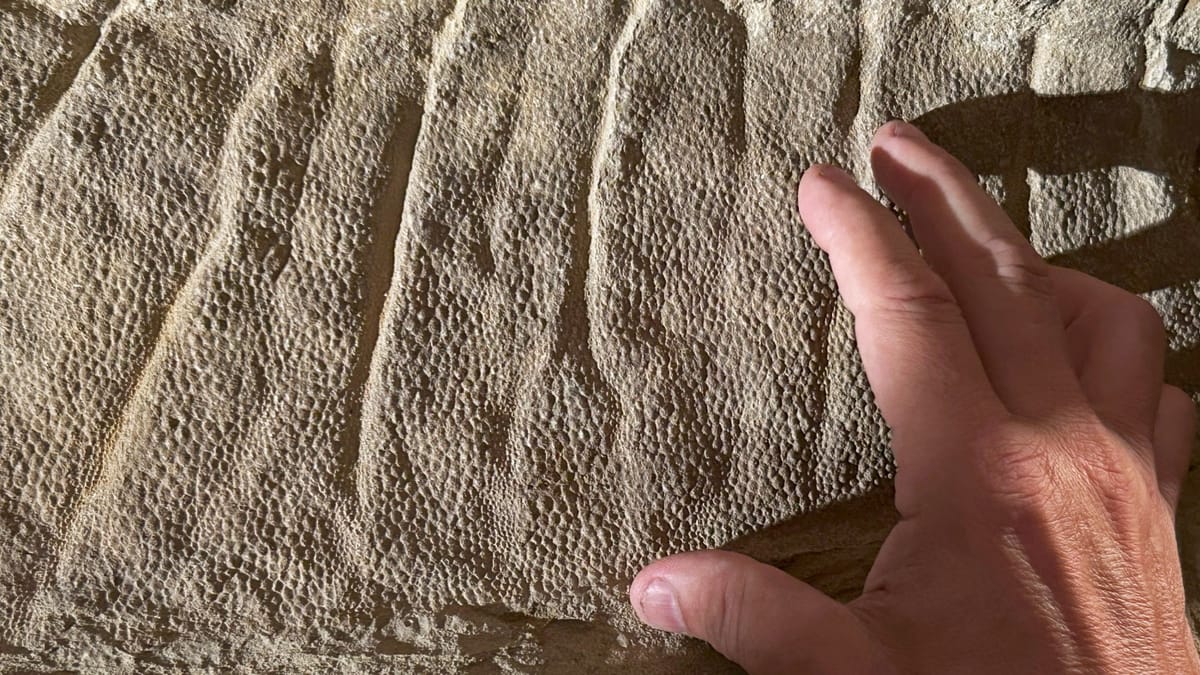
Guided by this oral history, the researchers re‑examined the site and identified a narrow, low‑lying trough that matched the described pattern. Within this micro‑environment, they found that the fossilized bones were encased in a thin layer of limestone, preserving soft tissue impressions—a condition known as a “mummy” fossil. The team concluded that rapid burial in a mineral‑laden floodplain, combined with low oxygen levels, had prevented decay and allowed the rare preservation.
Experts noted that such mummy fossils are exceptionally scarce, with only a handful documented worldwide. Generic statements from museum curators emphasized that the find could shed light on dinosaur skin texture, musculature, and even potential disease markers. The discovery also underscores the value of integrating indigenous and local knowledge with scientific inquiry, a practice increasingly advocated by research institutions.
Looking ahead, Sereno’s team plans to conduct detailed imaging and chemical analyses to map the preserved soft tissues. They hope the data will contribute to broader reconstructions of Cretaceous ecosystems and inform future field strategies that respect and incorporate community narratives. The collaboration illustrates how seemingly modest anecdotes can unlock profound scientific insights.