Government Shutdown Threatens to Become Longest Ever as Trump Rejects Democratic Demands
Washington — A federal funding impasse that began in late September is now on track to become the longest government shutdown in U.S. history, with lawmakers still unable to agree on a budget for the upcoming fiscal year.
The stalemate stems from deep partisan disagreements over discretionary spending, with Democrats pressing for increased funding for health, climate, and social programs, while Republican leaders argue for reduced expenditures and stricter fiscal controls. Historically, shutdowns have been used as leverage in budget negotiations, but the current deadlock has extended beyond the typical few days, raising concerns about the durability of such tactics.
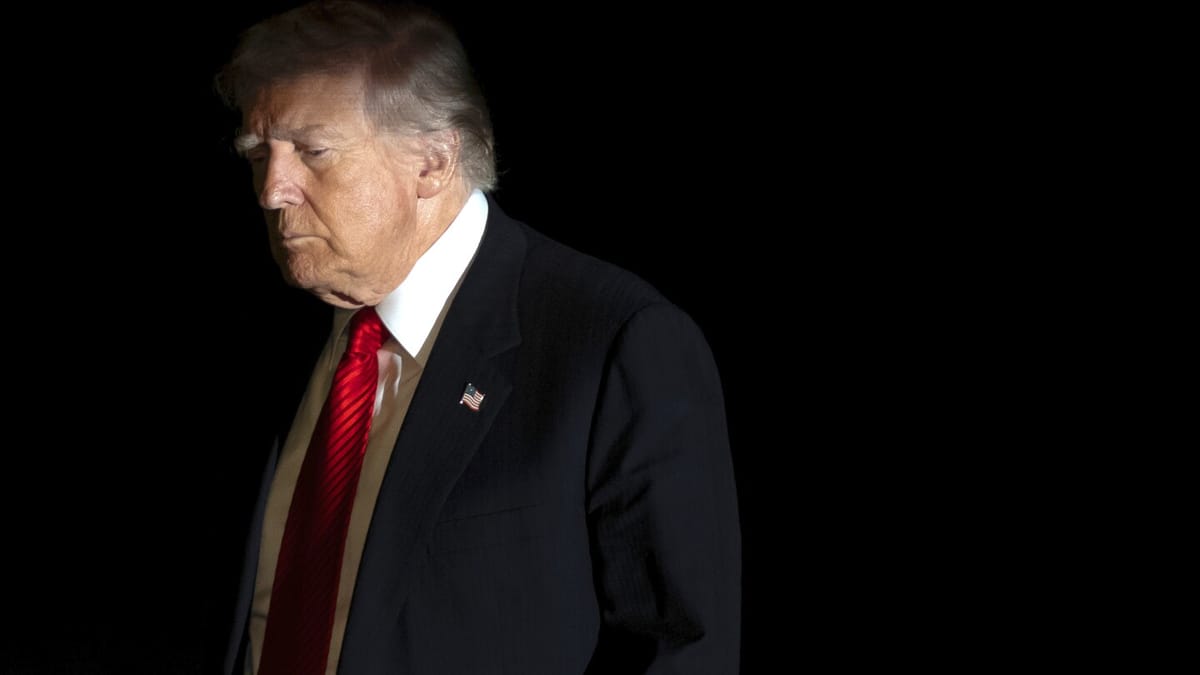
President Donald Trump, addressing reporters on the Capitol steps, said he would not be “extorted” by the opposition and pledged to continue fighting for what he described as “responsible spending.” Republican officials echoed the president’s stance, emphasizing that any agreement must include cuts and reforms they consider essential for fiscal stability. Meanwhile, Democratic representatives warned that prolonged inaction could jeopardize essential services and undermine public confidence.
Federal agencies have already curtailed non‑essential operations, and an estimated 800,000 federal employees face reduced pay or furloughs. Services such as national parks, passport processing, and certain regulatory inspections are operating at limited capacity, while essential functions like national security and air traffic control remain fully staffed. Economists note that a shutdown of this magnitude could cost the economy billions in lost productivity and tax revenue.
Policy analysts suggest that the pressure of mounting public inconvenience and the financial strain on federal workers may eventually bring both parties back to the negotiating table. However, they caution that any resolution is likely to involve compromises that could reshape spending priorities for years to come. As the calendar turns, observers watch closely for signs of movement, aware that the outcome will set a precedent for how future budget disputes are handled.