Google's Upcoming Pixel Release Expected Early, Leak Reveals Features and November Launch Date
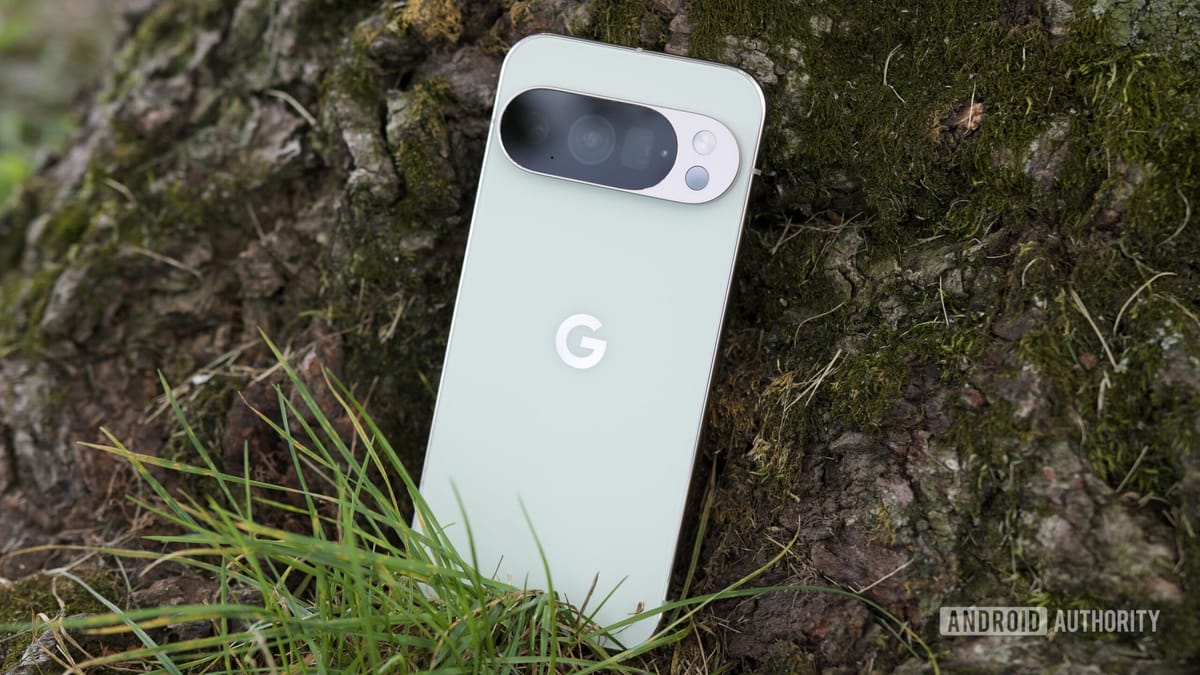
According to a new leak that surfaced online, Google may announce its next batch of Pixel smartphones as early as November 4, ahead of the company’s usual October rollout schedule. The unverified report, which appeared on a technology forum, suggests that the upcoming "Pixel Drop" will include a set of new software customizations and a refreshed lineup of devices.
The leak highlights the introduction of a new suite of Pixel themes, beginning with a design dubbed "Wicked," which is expected to offer users a darker, high‑contrast aesthetic across the operating system. In addition, the report mentions that members of the Pixel VIP program could receive early access to the software updates, allowing enthusiasts to test the new features before the broader public release.
Industry analysts note that an early November announcement would align with Google’s strategy to position its hardware offerings ahead of the holiday shopping season, potentially boosting sales against competing Android manufacturers. While Google has not confirmed any details, the timing would give the company a longer window to market the devices and integrate them with upcoming Android releases. Officials from the company’s hardware division typically emphasize the importance of software‑first improvements, suggesting that the theme rollout may be part of a broader effort to differentiate Pixel phones through user experience enhancements.
If the leak proves accurate, consumers can anticipate a formal unveiling later in the month, followed by a staggered rollout of the new devices. The exact specifications of the hardware remain unclear, but the emphasis on software customization indicates that Google may continue to focus on tight integration between its operating system and device design. Observers will watch for official confirmation from Google in the coming weeks, which will clarify the launch timeline and the full range of features slated for the next Pixel generation.