Galaxy TriFold Launch Markets Unveiled, Limited to Select Regions
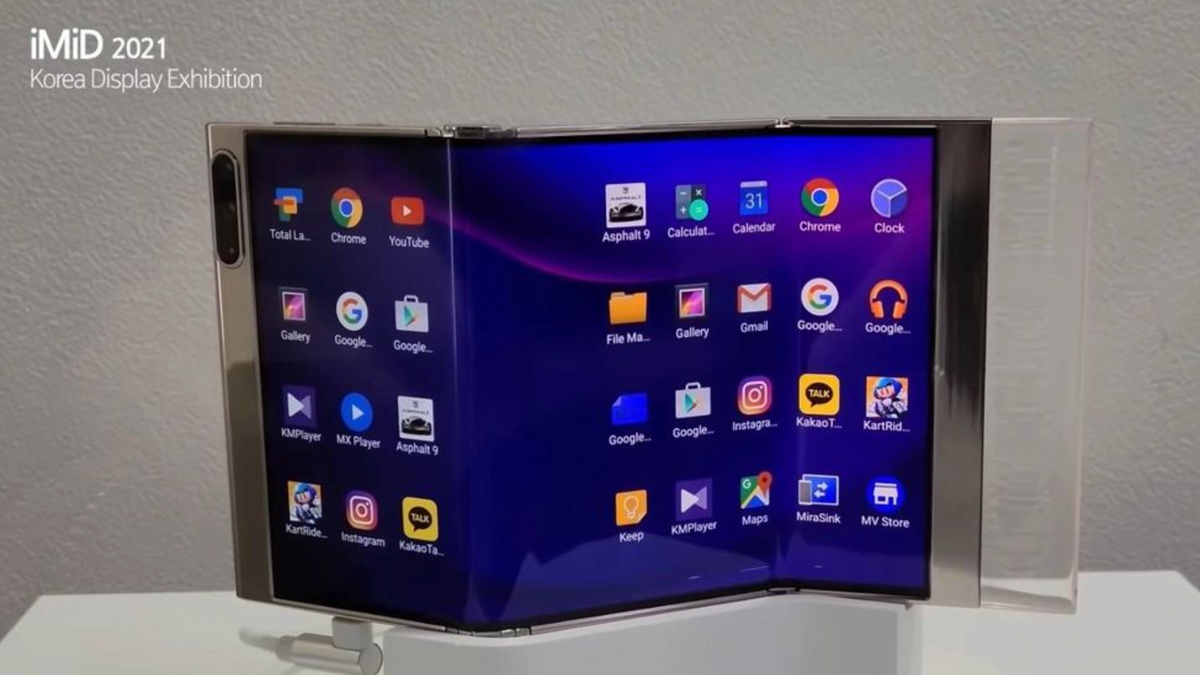
Samsung confirmed that its highly anticipated Galaxy TriFold, the company’s first triple‑folding smartphone, will be released only in a handful of markets. The announcement, which follows a series of leaks and rumors, indicates that the device will initially be sold in South Korea, parts of Europe, and select Asian territories, with a later rollout possible depending on demand.
The decision to limit availability reflects Samsung’s cautious approach to a form factor that has yet to achieve mainstream adoption. Analysts note that the triple‑fold design presents manufacturing challenges and higher production costs, which can affect pricing and profit margins. By focusing on regions where premium foldable devices have previously performed well, Samsung aims to mitigate financial risk while gathering consumer feedback.
Industry observers point out that the Galaxy TriFold enters a competitive landscape that includes rivals such as Huawei and Motorola, which have also experimented with multi‑fold displays. Experts suggest that Samsung’s extensive supply chain, particularly its partnership with Samsung Display, gives it an advantage in scaling production if the device proves successful. However, they caution that consumer acceptance will depend on durability, battery life, and price points that justify the novel form factor.
Official statements from Samsung’s spokesperson emphasized that the limited launch is a strategic move designed to ensure a smooth introduction. "We are focusing on markets where we have strong brand presence and where customers have shown interest in advanced mobile technologies," the spokesperson said, adding that the company will monitor sales performance before expanding distribution.
Looking ahead, the rollout of the Galaxy TriFold could influence the broader foldable market by setting benchmarks for multi‑fold engineering and user experience. If the initial markets respond positively, Samsung may consider widening the launch to additional regions later in the year, potentially accelerating the adoption of next‑generation smartphone designs.