FBI: Shooter in Michigan Church Attack Motivated by Anti‑Mormon Hatred
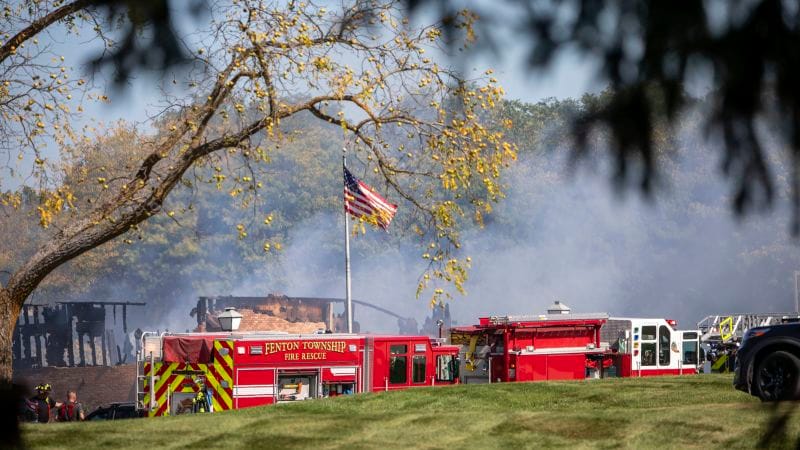
A former Marine opened fire inside a The Church of Jesus Christ of Latter‑day Saints congregation in a small Michigan town in September, killing multiple worshippers before setting parts of the building ablaze. Emergency responders arrived within minutes, but the attacker had already fled the scene, leaving at least five dead and several others injured.
Federal investigators from the FBI released a statement confirming that the perpetrator was driven by anti‑religious sentiment toward the Mormon faith. The agency said that evidence gathered from the shooter’s online activity and personal writings indicated a longstanding hostility to the church’s doctrines, which the attacker claimed conflicted with his personal beliefs.
The incident marks one of the deadliest attacks on a religious institution in the United States in recent years. While attacks on places of worship have been relatively rare, they have drawn heightened attention from law‑enforcement and civil‑rights groups, who warn that rising extremist ideologies can target any faith community.
Local officials, along with representatives of the LDS Church, condemned the violence and expressed sympathy for the victims’ families. A spokesperson for the state police noted that the investigation remains active and that authorities are working closely with federal partners to determine whether the shooter acted alone or had external support. Religious leaders called for unity and urged communities to remain vigilant while emphasizing the importance of interfaith dialogue.
Experts on domestic extremism said the case underscores the need for broader monitoring of hate‑motivated threats, especially those disseminated through online platforms. They suggested that improved security measures at houses of worship, such as enhanced surveillance and coordinated emergency response plans, could mitigate future risks. The FBI indicated that it will continue to assess any potential links to broader extremist networks as the case proceeds through the judicial system.