Exynos 2600 Processor Matches Apple M5 Benchmarks, Reports Suggest
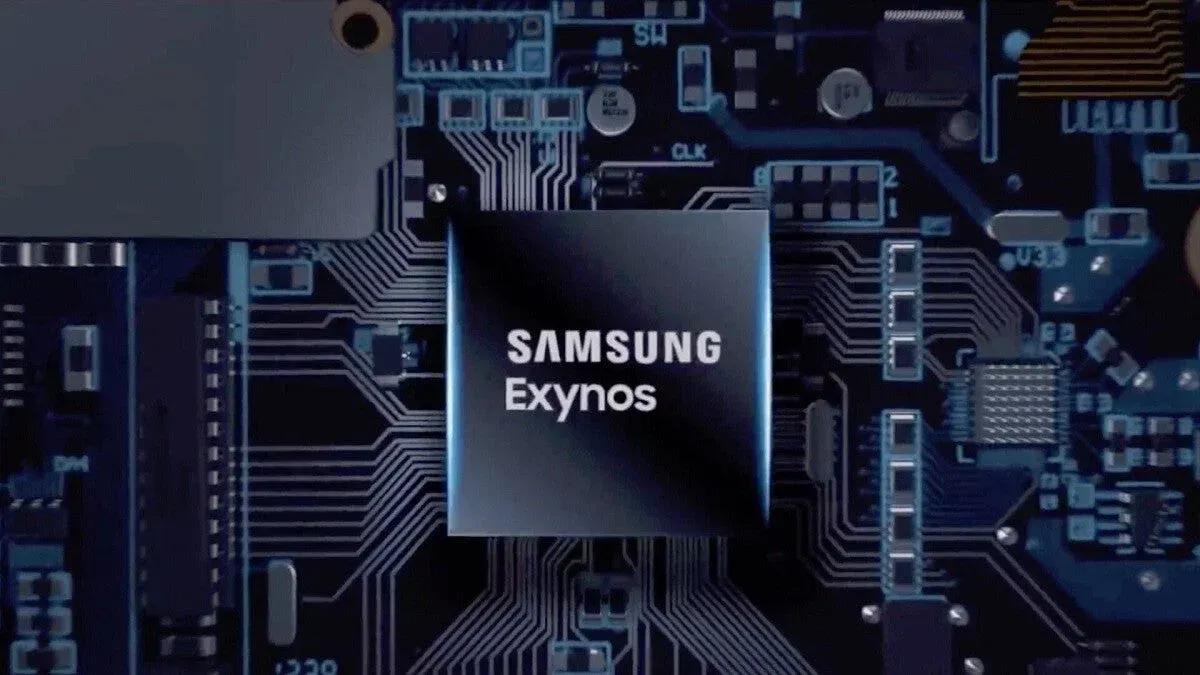
Recent benchmark data released by several independent testing platforms indicates that Samsung's upcoming Exynos 2600 application processor delivers performance levels comparable to those of Apple's M5 chip, a claim that has sparked considerable interest across the mobile and computing industries.
The Exynos 2600, slated for inclusion in high‑end smartphones and tablet devices later this year, is built on a 3‑nanometer process and incorporates a hybrid core architecture featuring high‑performance cores alongside efficiency cores. Early testing on synthetic workloads such as Geekbench, AnTuTu, and GFXBench shows single‑core scores in the high 1,500‑range and multi‑core scores approaching 6,500, figures that align closely with the publicly disclosed results for Apple's M5 processor used in its latest laptop line.
Industry analysts note that while raw benchmark numbers provide a useful reference point, real‑world performance can vary based on software optimization, thermal management, and power consumption. "The Exynos 2600 appears to have closed the gap that traditionally existed between flagship Android SoCs and Apple's silicon," said a senior analyst at a market research firm. "If Samsung can pair this hardware with effective software tuning, it could offer a compelling alternative for power users who demand desktop‑class capabilities on mobile devices."
Samsung has not officially confirmed the benchmark results, but company representatives have emphasized the focus on energy efficiency and integrated AI capabilities in the new chip. Meanwhile, Apple has not commented on the comparison, maintaining its standard practice of not addressing third‑party performance claims directly.
Observers suggest that the competition may accelerate innovation in both ecosystems, prompting faster adoption of advanced process nodes and more aggressive integration of custom GPU and neural‑engine technologies. The upcoming launch events scheduled for the next quarter will likely provide further clarity on how the Exynos 2600 performs under everyday usage scenarios and whether it can truly rival the M5 in consumer devices.