EU Postpones Mercosur Trade Deal Signing Until January
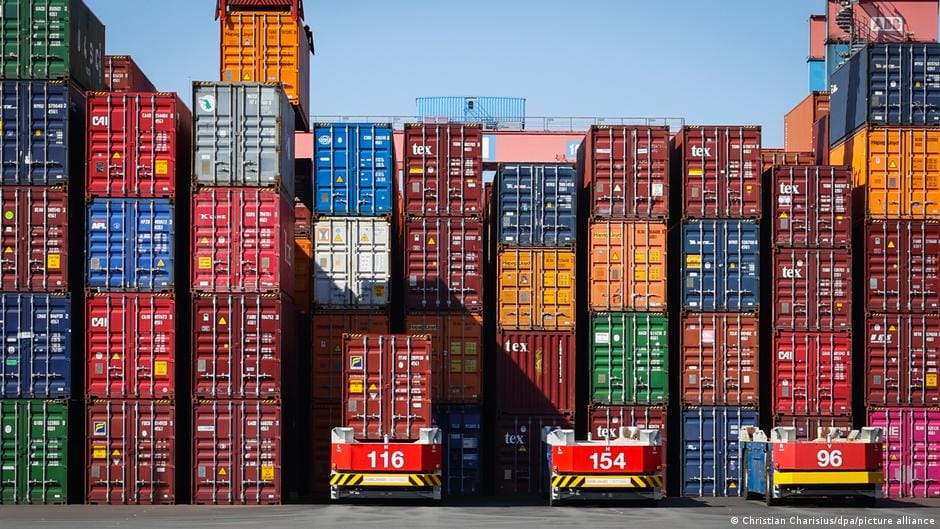
EU leaders at a summit in Brussels on Thursday announced that the signing of the long‑awaited free‑trade agreement with the four Mercosur countries – Argentina, Brazil, Paraguay and Uruguay – will be delayed until January. The decision pushes back the formal conclusion of a negotiation that has spanned more than a quarter of a century.
Officials said the postponement reflects lingering concerns over environmental standards, agricultural subsidies and the need for additional parliamentary scrutiny. Delegates highlighted recent controversies surrounding deforestation in the Amazon basin and the European Union’s own Green Deal commitments, prompting a request for clearer guarantees that Mercosur exports will meet EU sustainability criteria. In addition, several EU member states have called for a more detailed assessment of how the agreement could affect domestic farmers and food producers.
Both sides expressed disappointment but underscored a shared willingness to keep the dialogue open. EU representatives described the extra time as an opportunity to refine technical annexes and to secure broader political backing within the European Parliament. Mercosur officials, in turn, reiterated their commitment to the partnership, noting that the agreement could boost intra‑regional trade by an estimated 15 % over the next decade. Industry analysts observed that while the delay may momentarily stall projected economic gains, it also reduces the risk of future legal challenges and public backlash.
Looking ahead, the European Commission plans to present a revised text to national parliaments in early December, with a view to obtaining final ratifications before the January signing ceremony. If completed, the deal is expected to eliminate tariffs on a wide range of goods, from agricultural products to industrial inputs, and to deepen strategic ties between the two regions. Observers will watch closely how the final provisions address sustainability and market‑access concerns, as these elements are likely to shape the agreement’s long‑term impact on both European and South American economies.