Election Day Set for Tuesday: Five Key Questions on Potential Outcomes
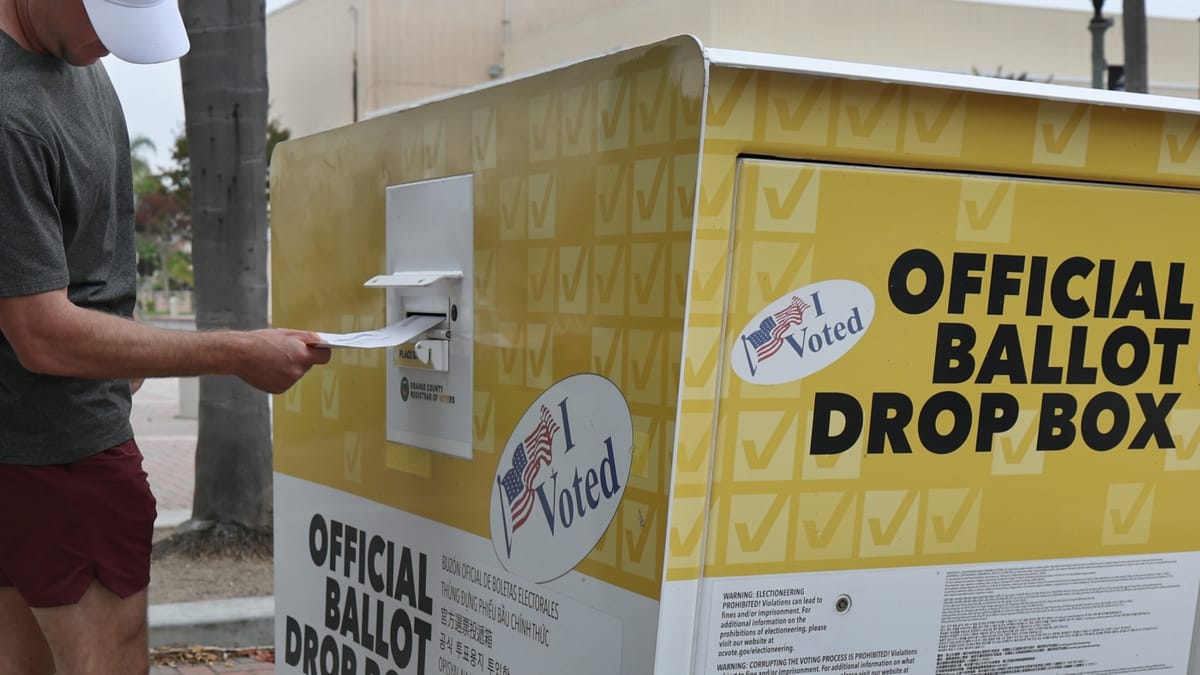
Off‑year elections, which occur in the middle of a presidential term, are traditionally viewed as a barometer of public sentiment toward the incumbent president and his party. This Tuesday’s ballot, therefore, is being closely watched as a possible referendum on President Trump and the Republican agenda, even though only a limited number of federal, state and local offices are at stake.
Polls ahead of the vote suggest that President Trump’s approval rating remains low, particularly among independent voters, a demographic that historically swings the outcome of off‑year contests. Analysts note that independents have expressed concern over issues such as the economy, health care and the administration’s handling of recent international incidents, which could translate into reduced support for Republican candidates in competitive districts.
The first question on many observers’ minds is whether the results will signal a broader shift in voter alignment that could affect the 2020 presidential election. A strong showing for Democrats in key swing states might embolden the party’s national committee to increase fundraising and field more candidates in traditionally Republican strongholds.
A second question concerns the composition of the House of Representatives, where several seats are up for election. While only a fraction of the chamber is contested, gains or losses could influence the balance of power on legislative priorities, including the passage of the administration’s budget proposals.
Third, the outcomes may affect state legislatures that control redistricting after the 2020 census. Experts warn that if Republicans lose critical state houses, the map‑drawing process could become more competitive, potentially reshaping congressional districts for the next decade.
Finally, officials and political scientists alike are watching to see whether voter turnout, especially among younger and minority groups, will exceed expectations. Higher participation could reinforce the notion that off‑year elections are increasingly pivotal in shaping the national political landscape, setting the tone for the political battles that lie ahead.