"Dumb Homes" Emerge as New Trend in Analog Wellness
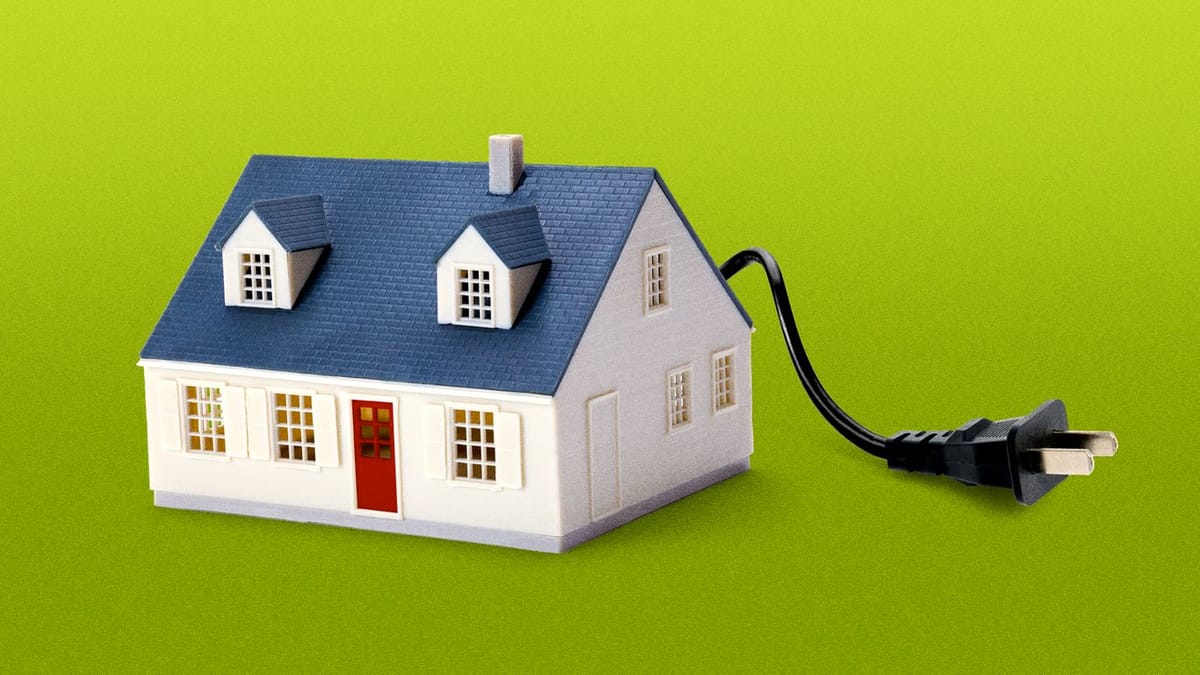
Across several major cities, a growing number of homeowners are deliberately moving away from voice‑activated assistants, automated lighting, and other smart‑home technologies in favor of simple, manual controls. The phenomenon, dubbed “dumb homes,” is being described by lifestyle observers as the latest flex in a broader analog‑wellness movement that emphasizes tactile interaction and reduced screen time.
Proponents of the trend are swapping out integrated, internet‑connected hubs for traditional switches, knobs, and mechanical thermostats. Some residents are even carving out dedicated “digital‑detox corners” in their living spaces, furnishing them with analog books, board games, and analog clocks. These changes are often motivated by concerns over privacy, data security, and the psychological fatigue associated with constant connectivity.
Industry analysts note that the shift reflects a broader consumer desire for balance between technology convenience and mental well‑being. While smart‑home sales remain strong, market researchers have observed a modest rise in demand for retro‑styled hardware and non‑connected appliances. Local authorities in several municipalities have begun to include “quiet zones” in zoning guidelines, allowing residents to designate areas of their homes as tech‑free spaces.
Experts predict that the analog wellness movement will continue to evolve, with manufacturers likely to offer hybrid solutions that combine the reliability of manual controls with optional low‑impact digital features. As the conversation around digital overload gains traction, “dumb homes” may become a mainstream choice for those seeking to reclaim physical interaction in an increasingly virtual world.