Disney Boosts Dividend and Launches Share Buyback as Theme Parks Defy Economic Downturn
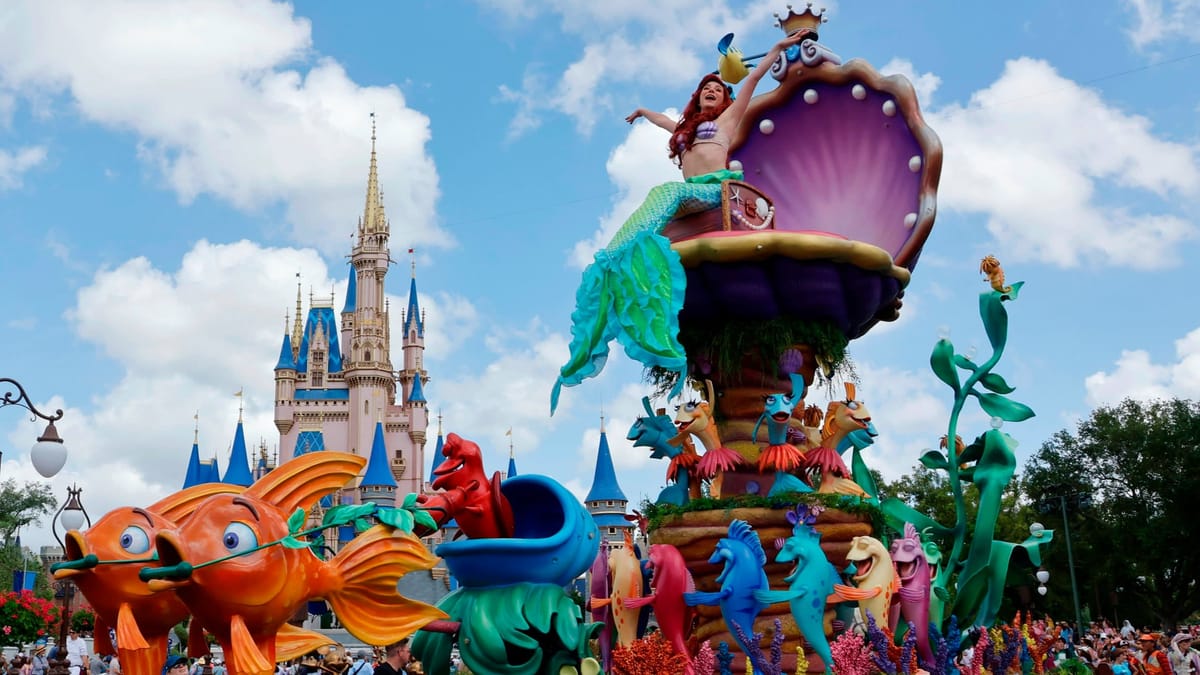
Disney announced a raise in its quarterly dividend and the initiation of a new share‑buyback program, underscoring the company’s confidence in its financial outlook after reporting stronger‑than‑expected earnings. The entertainment conglomerate said the moves reflect robust cash flow generated by its theme‑park division, which has continued to grow despite broader concerns about a slowdown in consumer spending.
The dividend will increase to $0.85 per share, up from $0.70 in the prior quarter, and the company plans to repurchase up to $2 billion of its own stock over the next twelve months. This represents a modest expansion of the buyback compared with the $1.5 billion authorized earlier in the year and signals Disney’s intent to return value to shareholders while maintaining a solid liquidity position.
Disney’s theme‑park segment posted a 6 percent rise in revenue year‑over‑year, driven by higher attendance at its U.S. resorts and a rebound in international visitors to its European locations. Analysts attribute the growth to a slate of new attractions, dynamic pricing strategies, and ongoing investments in guest experience. While the broader tourism industry has faced headwinds from inflation and travel‑related cost pressures, Disney’s diversified portfolio and brand strength have helped it weather the downturn.
Market observers note that the dividend increase and buyback could bolster investor confidence, especially as the company navigates challenges in its streaming and media businesses. Industry analysts suggest that continued cash generation from parks may allow Disney to further strengthen its balance sheet and consider additional shareholder‑return initiatives later in the year. For now, the company’s actions are seen as a reaffirmation of its long‑term growth strategy and a signal that its core entertainment assets remain resilient.