Disliking Your CPAP? Ignoring Sleep Apnea May Increase Risk of Micro Brain Bleeds
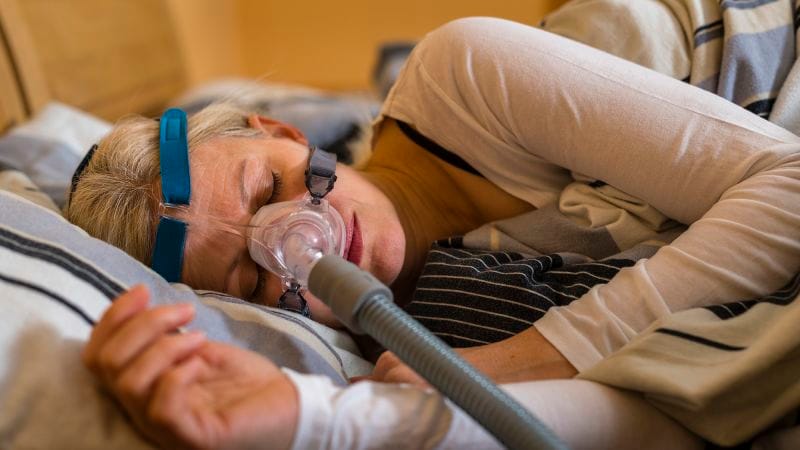
Sleep apnea, a condition that disrupts breathing during sleep, affects millions of adults worldwide. While many patients are prescribed a continuous positive airway pressure (CPAP) machine to keep the airway open, some avoid using it due to discomfort or inconvenience. Recent medical reports suggest that untreated sleep apnea may be linked to an increased incidence of microscopic brain bleeds, a finding that underscores the importance of consistent therapy.
Micro brain bleeds, also known as cerebral microhemorrhages, are tiny areas of bleeding in the brain that often go undetected but can accumulate over time and contribute to cognitive decline. A series of observational studies published earlier this year observed a higher prevalence of these microbleeds among individuals with severe, untreated obstructive sleep apnea compared to those who regularly used CPAP devices. Researchers noted that intermittent drops in blood oxygen levels during apnea episodes can strain blood vessels, potentially leading to the small ruptures observed in imaging scans.
CPAP therapy remains the most effective treatment for reducing apnea events, normalizing oxygen saturation, and mitigating cardiovascular stress. Nevertheless, adherence rates are suboptimal; surveys indicate that up to 40 percent of patients discontinue use within the first few months. Common complaints include mask discomfort, noise, and perceived inconvenience. Health professionals recommend gradual acclimatization, mask fitting adjustments, and the use of heated humidifiers to improve comfort and encourage long‑term compliance.
Medical experts and public‑health officials stress that the potential neurological risks add urgency to existing guidelines that advocate early diagnosis and treatment. While definitive causality between sleep apnea and micro brain bleeds requires further investigation, the correlation has prompted agencies to issue updated advisories urging patients to discuss CPAP options with their physicians and to explore alternative therapies, such as oral appliances, when appropriate.
For individuals who find CPAP intolerable, the recommendation is to seek professional evaluation rather than abandon treatment altogether. Ongoing monitoring, lifestyle modifications—including weight management and sleep hygiene—and regular follow‑up appointments can help mitigate the broader health impacts of untreated sleep apnea while patients work toward a sustainable solution.