China’s Chang’e‑6 Mission Uncovers Hidden Lunar Minerals
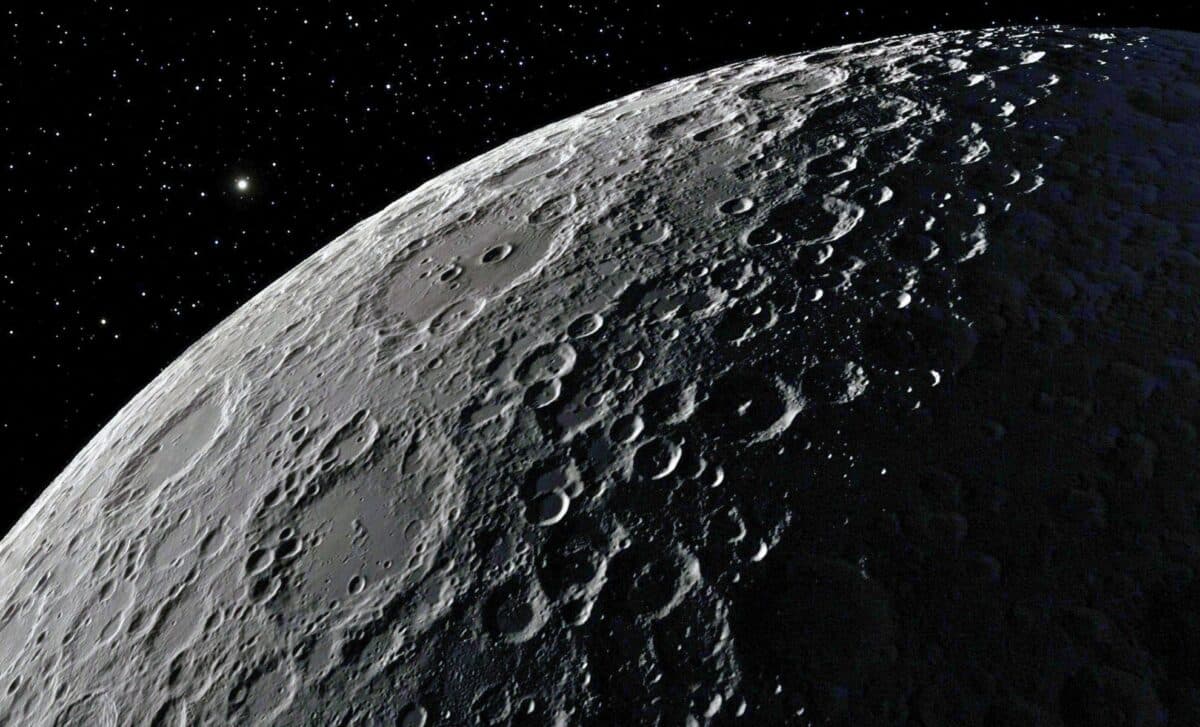
China’s Chang’e‑6 lunar sample‑return mission has delivered a set of rocks that provide the first unequivocal physical evidence of the iron oxides hematite and maghemite formed by asteroid impacts on the Moon. The findings were detailed in a paper published in *Science* on November 14, confirming that high‑energy collisions have altered the mineralogy of the lunar surface in ways previously inferred only from remote sensing data.
Laboratory analyses of the returned specimens revealed distinct crystal structures and chemical signatures consistent with rapid oxidation processes triggered by the extreme heat and pressure of impact events. While prior orbital spectrometers hinted at the presence of ferric oxides, the Chang’e‑6 samples constitute the first direct, microscopic confirmation. Researchers noted that the concentration of these minerals varies across the collected fragments, suggesting that impact‑generated melt sheets and breccias have undergone heterogeneous cooling histories.
The discovery adds a new dimension to the scientific understanding of lunar geology. Asteroid impacts are a dominant force shaping the Moon’s surface, and the formation of hematite and maghemite indicates that the impact environment can produce oxidized iron phases even in the Moon’s generally reducing mantle. This has implications for interpreting the planet’s impact record, as well as for assessing the availability of iron‑rich resources that could support future in‑situ utilization efforts by both national space agencies and commercial enterprises.
Commentators from the planetary science community described the results as “a valuable piece of the puzzle” in reconstructing the Moon’s bombardment history. The study also underscores the importance of sample‑return missions for validating remote observations. Looking ahead, the data will inform the planning of upcoming missions that aim to map the distribution of oxidized minerals more comprehensively, and may guide the selection of landing sites where in‑situ resource extraction could be feasible. The Chang’e‑6 findings thus represent both a scientific milestone and a practical stepping stone toward sustained lunar exploration.