China Signals Possible Easing of Export Ban on Nexperia Semiconductor Products
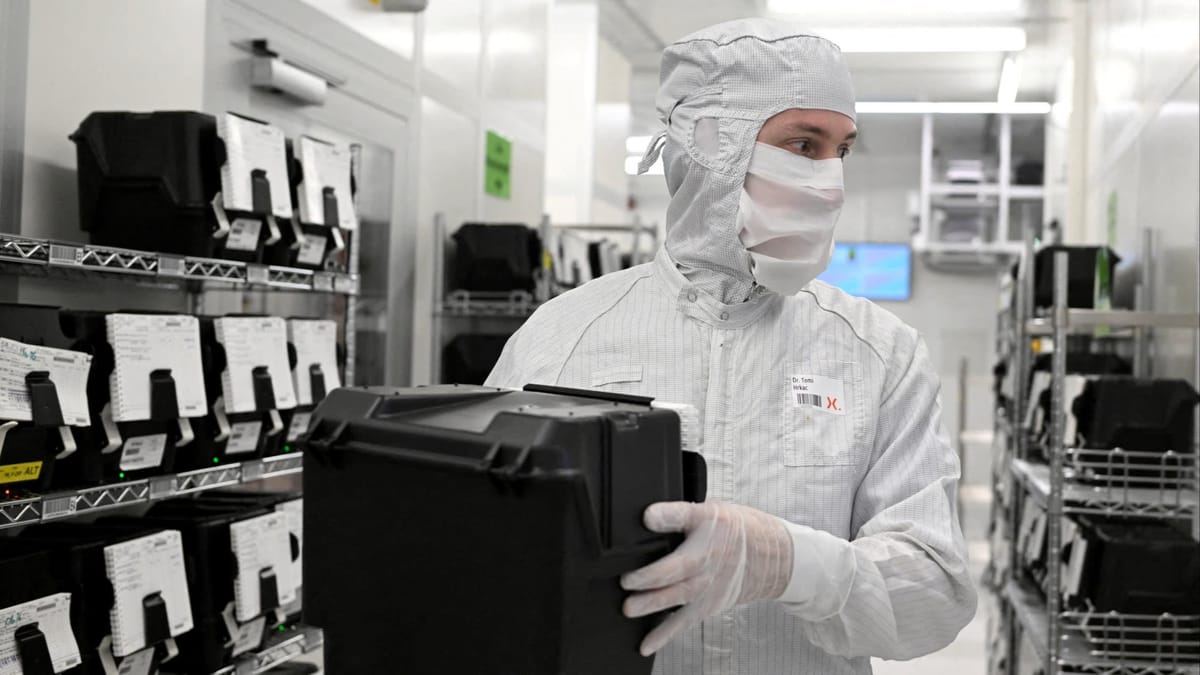
Beijing indicated this week that it may relax the export restrictions it imposed earlier on Nexperia, the Dutch‑based maker of power semiconductors, in a move that could ease supply pressures for the global electronics industry.
The original ban, announced in late 2023, targeted shipments of certain Nexperia chips to Chinese manufacturers after the company was caught up in broader Western export controls aimed at curbing the flow of advanced technology to China. The restrictions have limited the availability of key components used in smartphones, automotive electronics and renewable‑energy systems, prompting concerns among industry observers about further disruptions to an already strained chip market.
Chinese officials, speaking on condition of anonymity, said the decision reflects a “balanced approach” that takes into account both national security considerations and the practical need to support domestic production. They noted that the ban will be reviewed in light of recent developments, including the easing of some U.S. sanctions and the stabilization of global supply chains.
Analysts suggest that a partial rollback could allow Chinese firms to resume purchasing standard‑grade Nexperia parts while keeping tighter controls on the most advanced nodes. Industry experts also point to the possibility that the move is intended to signal goodwill ahead of upcoming trade talks, potentially paving the way for broader cooperation in the semiconductor sector.
Government representatives emphasized that any policy change will be implemented gradually, with clear guidelines to prevent misuse of the technology. They added that the review process will involve coordination with relevant ministries and will be aligned with international export‑control frameworks.
If the easing proceeds, it could restore a degree of stability to supply chains that have been volatile since 2020, benefitting manufacturers across Asia and Europe. However, officials cautioned that the situation remains fluid, and further adjustments may be necessary should geopolitical tensions or technological concerns arise.