Bird Flu Outbreak Hits 66 Poultry Flocks as Federal Response Scales Back
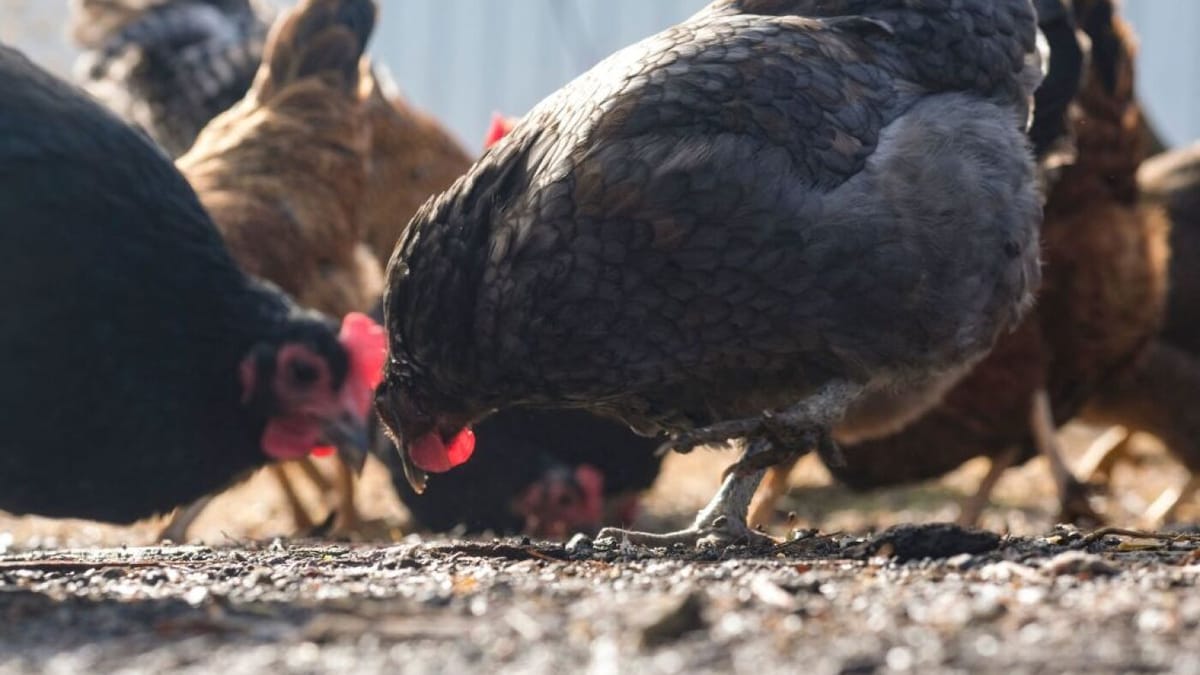
As migratory birds travel south for the winter, they are carrying the H5N1 avian influenza virus, prompting a sharp rise in infections among domestic poultry. In the last 30 days, the virus has been confirmed in 66 flocks across several states, resulting in the death of tens of thousands of birds and triggering widespread culling efforts by agricultural authorities.
Federal agencies, including the U.S. Department of Agriculture (USDA) and the Centers for Disease Control and Prevention (CDC), have announced a scaling back of certain response measures, citing limited resources and a shift in focus toward monitoring potential human cases. Officials indicated that routine surveillance will continue, but the intensity of field operations, such as on‑site testing and rapid response teams, will be reduced.
Industry analysts note that the timing of the outbreak coincides with the seasonal migration of wild waterfowl, which are known reservoirs for H5N1. The virus can spread to poultry through direct contact or contaminated water sources, making farms near wetlands particularly vulnerable. State veterinarians have urged producers to enhance biosecurity, including limiting farm access, disinfecting equipment, and separating domestic flocks from wild bird habitats.
Economic repercussions are already emerging. The affected farms face significant losses from depopulation, disposal costs, and disrupted supply chains. Trade groups have warned that continued spread could lead to broader market impacts, potentially affecting poultry prices and export opportunities. Government officials emphasized that compensation programs remain available for eligible producers who must cull infected birds.
Public health experts stress that while H5N1 remains primarily an animal health issue, the virus retains the ability to infect humans in rare instances. They recommend continued vigilance, including monitoring of workers on affected farms and prompt reporting of any flu‑like symptoms. The agencies plan to reassess the federal response level later in the season, depending on the trajectory of new infections and any signs of zoonotic transmission.