Bird Flu Cases Rise in Poultry as Federal Response Scales Back
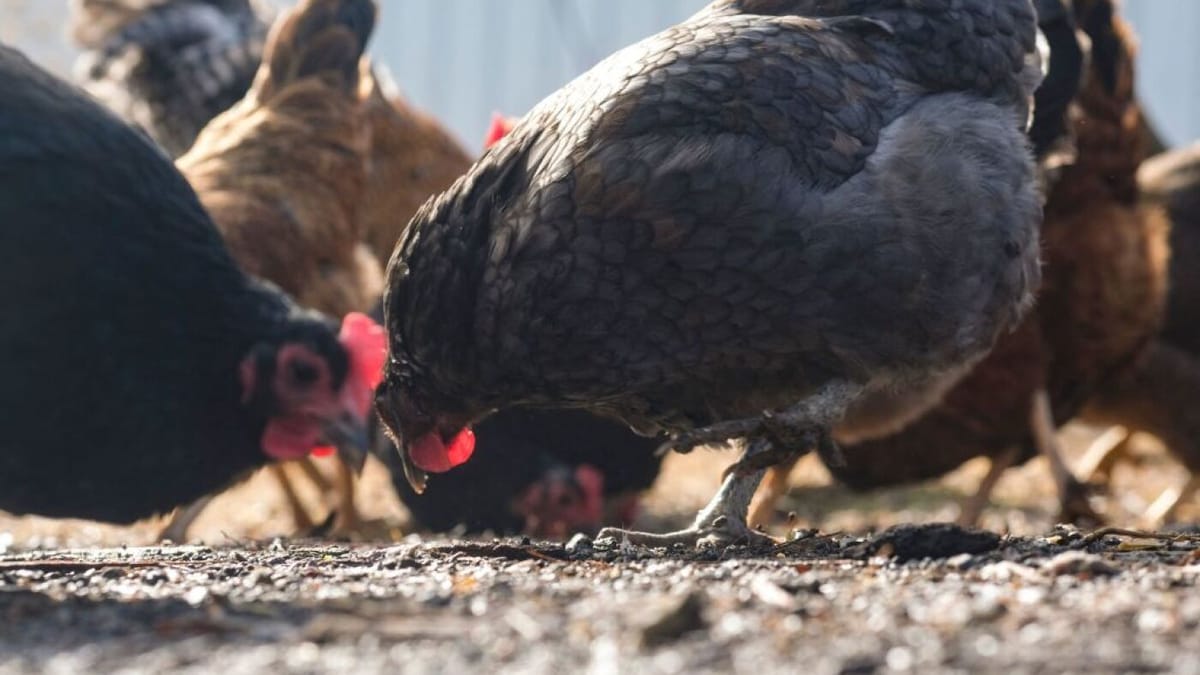
Bird flu, specifically the H5N1 strain, has been detected in a growing number of poultry farms across the United States as the season for migratory birds begins. Over the past thirty days, officials have confirmed infections in sixty‑six flocks, prompting the culling of thousands of birds to limit further spread.
The affected farms are spread across several states in the Midwest and South, regions that host large commercial egg and meat operations. Most of the outbreaks were identified through routine testing of birds that showed respiratory symptoms or sudden mortality. In each case, authorities ordered quarantine measures and the disposal of infected birds, a process that can take several days to complete.
H5N1 is a highly pathogenic avian influenza virus that has caused periodic outbreaks worldwide since the early 2000s. While the strain rarely infects humans, it can devastate poultry populations, leading to significant economic losses for producers and raising concerns about potential mutations. Historically, outbreaks have triggered temporary bans on U.S. poultry exports and prompted vaccination campaigns in affected regions.
Federal agencies, including the Department of Agriculture, have faced criticism for scaling back certain response measures earlier this year. Budget adjustments reduced the number of on‑site inspectors and limited the distribution of emergency funding to affected farms. Officials acknowledge that resource constraints have forced a more targeted approach, focusing on high‑risk areas rather than a nationwide sweep.
Industry groups and agricultural experts have called for a reassessment of the current strategy, warning that delayed detection could increase the scale of future outbreaks. They suggest expanding surveillance of wild bird populations, increasing support for biosecurity upgrades on farms, and restoring some of the previously allocated funds. The government has indicated that it will monitor the situation closely and may adjust its response if the number of infections continues to rise, aiming to protect both the agricultural sector and public health.