Attorneys for James Comey and Letitia James Seek Dismissal of Federal Indictments
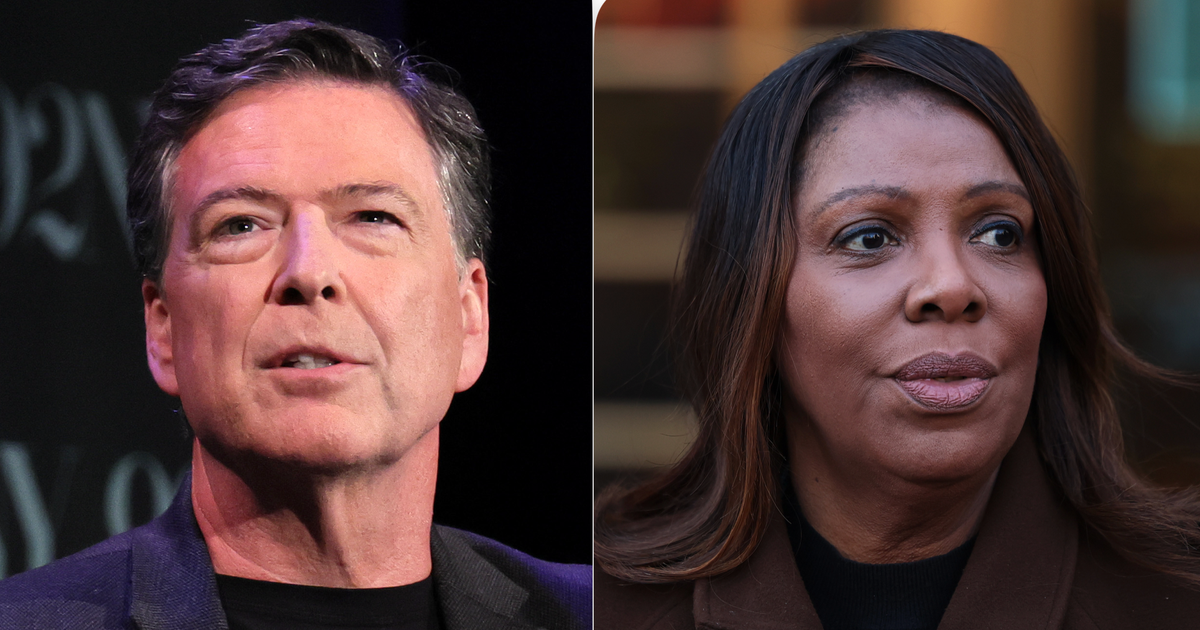
Alexandria, Va. — Lawyers representing former FBI Director James Comey and New York Attorney General Letitia James are scheduled to appear before a federal judge on Thursday to argue that the criminal indictments filed against their clients should be dismissed. The hearing follows a series of pre‑trial motions that have drawn attention from legal observers, given the high‑profile nature of both figures and the broader implications for federal prosecutorial authority.
The indictments, unsealed earlier this month, allege that the two officials engaged in conduct that violated federal statutes concerning the handling of classified information and the improper use of governmental resources. Comey's case stems from an investigation into his communications with members of the media after his departure from the bureau in 2017, while James faces charges related to a separate inquiry into the alleged misuse of state‑level investigative powers. Both matters have been the subject of intense media scrutiny and have raised questions about the scope of executive oversight.
In their arguments, the defense teams are expected to focus on procedural deficiencies and jurisdictional challenges. Counsel for Comey is likely to contend that the indictment fails to establish a clear nexus between his post‑service actions and any statutory violation, emphasizing the protections afforded to former federal officials. Meanwhile, James' attorneys are anticipated to argue that the charges encroach upon state sovereignty and that the evidence presented does not meet the threshold required for a criminal proceeding. Both sides are also expected to raise concerns about selective enforcement and the potential chilling effect on public officials performing their duties.
Legal analysts note that dismissals at this stage are relatively uncommon but not unprecedented, particularly when defendants raise substantive questions about the applicability of federal law. Should the judge grant the motions, the cases could be referred back to prosecutors for reconsideration or dropped entirely, influencing ongoing debates about accountability and prosecutorial discretion. If the motions are denied, the matters will proceed toward trial later next year, extending the legal and political spotlight on both former officials. The court’s decision on Thursday will therefore set the immediate trajectory for these high‑profile cases.