AMD Refreshes Budget Laptop CPUs with Rebranded Older Silicon
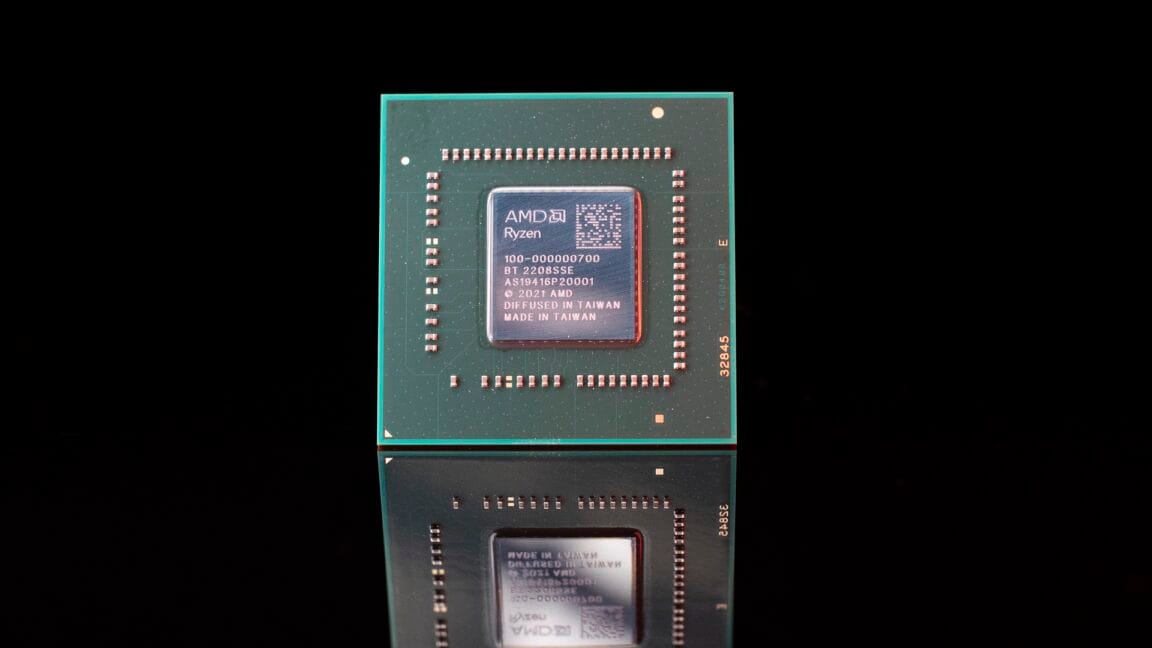
Advanced Micro Devices (AMD) announced a new line of budget‑oriented laptop processors that repurpose several generations of existing silicon under a refreshed naming scheme. The move is intended to broaden the company’s appeal in the low‑cost notebook segment, where price sensitivity and energy efficiency are key purchasing factors. By assigning newer model numbers to proven cores, AMD aims to signal incremental improvements without the need for immediate die‑size redesigns.
The rebranded chips are largely based on earlier Zen 2 and Zen 3 architectures that were previously used in mid‑range desktop and mobile processors. In their updated form, they are tuned for lower power envelopes—typically 15 W to 25 W TDP—to suit thin‑and‑light laptops. Performance metrics remain comparable to the original designs, offering modest gains in single‑thread speed and modest integrated graphics capability, while allowing OEMs to price the resulting devices 10‑15 % lower than competing Intel alternatives.
Industry analysts view the strategy as a pragmatic response to ongoing supply‑chain constraints and the intense competition from Intel’s low‑power Core i3 and i5 offerings. By recycling existing silicon, AMD can accelerate time‑to‑market and maintain a steady product cadence without waiting for a new architecture rollout. OEM partners have reportedly welcomed the option, citing the ability to differentiate entry‑level models with AMD branding while keeping component costs predictable. Observers also note that the rebranding aligns with AMD’s broader effort to simplify its product naming across desktop, mobile, and server platforms.
Looking ahead, the refreshed lineup is expected to appear in a range of consumer laptops slated for release in the upcoming quarter. Market watchers anticipate that the added variety will help AMD capture a larger share of the budget segment, especially in regions where cost considerations dominate buying decisions. The company has indicated that future updates will continue to leverage existing cores while gradually introducing newer generations as manufacturing yields improve, ensuring a balanced mix of affordability and performance for laptop shoppers.