AMD Commits to Ongoing Driver Support for RDNA 1 RX 5000 and RDNA 2 RX 6000 GPUs
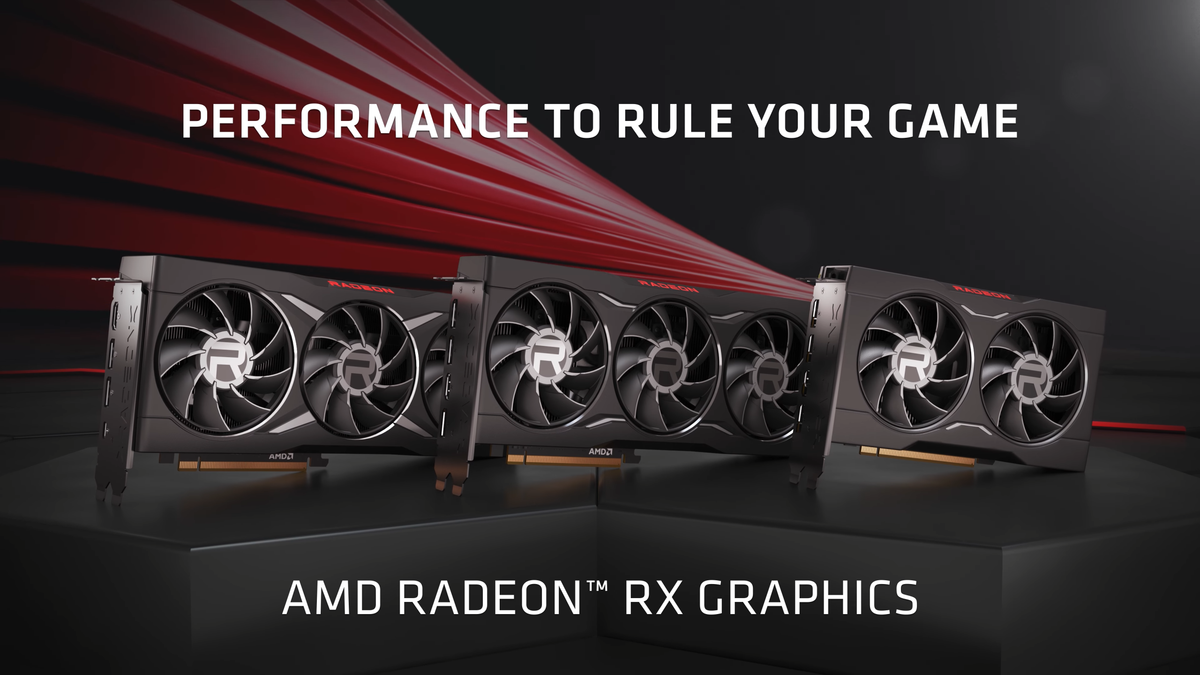
AMD confirmed on Tuesday that it will continue to provide driver updates for its Radeon graphics cards built on the RDNA 1 and RDNA 2 architectures, covering the RX 5000 series and the RX 6000 series. The announcement comes as part of a broader statement from the company’s graphics division, emphasizing a commitment to maintain performance, stability, and security for users of older hardware.
The support plan includes regular security patches, performance optimizations for upcoming titles, and compatibility updates for forthcoming Windows operating‑system releases. AMD indicated that the next driver rollout, scheduled for early next month, will be the first under this renewed support schedule and will address known issues reported by the community over the past few weeks.
The clarification follows a period of heightened scrutiny for Radeon drivers, during which several users reported performance regressions and compatibility glitches after recent Windows updates. While the company has not disclosed specific metrics, it noted that the continued support aligns with its policy of providing driver updates for at least three years after a GPU’s launch, a timeframe comparable to its main competitor’s practices.
Industry analysts welcomed the move, noting that sustained driver support can extend the useful life of graphics cards and bolster consumer confidence in the platform. "Long‑term driver commitment helps protect the resale value of hardware and reassures gamers who may not upgrade every year," one analyst said. Consumer advocacy groups also praised the decision, highlighting that many users rely on older GPUs for budget‑friendly gaming rigs and professional workloads.
Looking ahead, AMD said future driver releases will continue to incorporate game‑specific optimizations and broader ecosystem improvements, such as enhancements for DirectX 12 Ultimate features. The company’s roadmap suggests that newer architectures will receive priority, but the current support pledge ensures that the RDNA 1 and RDNA 2 families remain viable for the foreseeable future, providing a stable foundation for both existing owners and prospective buyers.