All 37 Donors Behind the $300 Million White House Ballroom Project Revealed
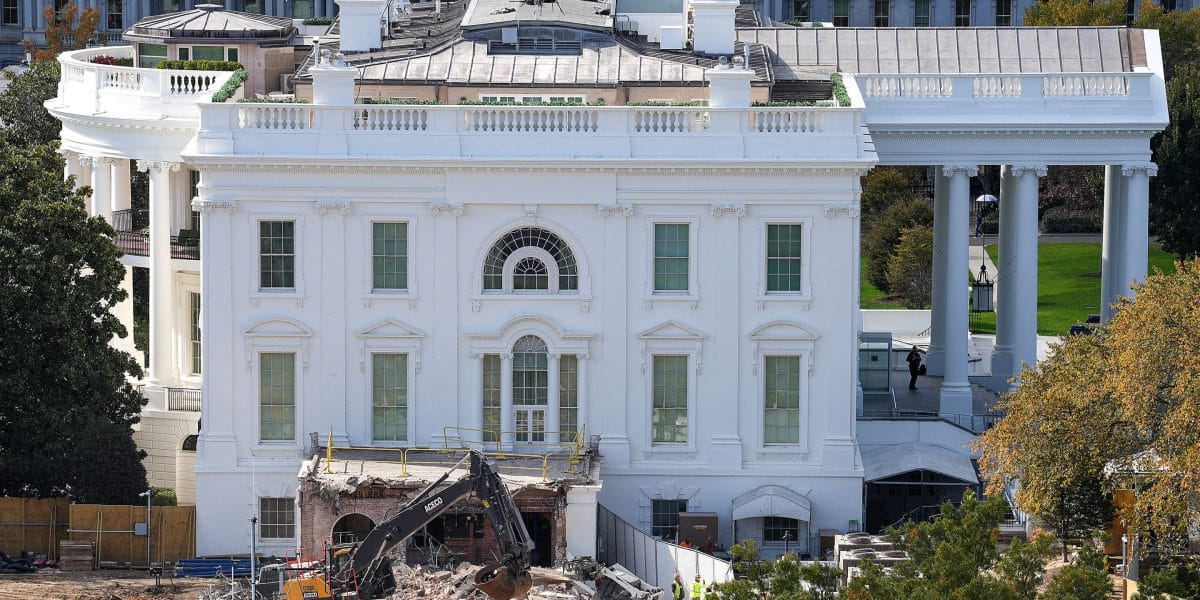
The White House announced on Tuesday that it has published the names of the 37 individuals and entities that have contributed to the financing of a new ballroom slated for the West Wing, a project estimated to cost roughly $300 million. The disclosure follows the commencement of a historic demolition of a portion of the East Wing, which began earlier this week as part of a broader renovation plan.
The fundraising effort, described by administration officials as a "public‑private partnership," seeks contributions from a mix of philanthropists, corporate donors, and political supporters. While exact donation amounts were not disclosed, the list includes prominent figures from finance, real estate, and the entertainment industry, as well as several longstanding White House donors. The administration has emphasized that the contributions are voluntary and do not confer any special access or influence over policy decisions.
Historically, major White House construction projects have relied on a combination of federal appropriations and private fundraising. The last comparable effort occurred during the 2000s when a series of security upgrades and interior refurbishments were partially funded by private gifts. Experts note that the current approach reflects a broader trend of leveraging private capital to offset the high costs of preserving and modernizing historic federal buildings.
Officials cited the new ballroom as a necessary addition to accommodate state functions, diplomatic gatherings, and large‑scale events that previously required the use of external venues. They also highlighted that the design will incorporate advanced security features and sustainable building materials, aligning with the administration’s broader commitments to modernization and environmental stewardship.
Looking ahead, the demolition of the East Wing is expected to be completed by early next year, with construction of the ballroom projected to begin later in 2025. The White House has pledged regular updates on the project's progress, and analysts suggest that the successful completion of the ballroom could set a precedent for future public‑private collaborations on federal infrastructure projects.