Air Traffic Controllers Warn of Tipping Point Amid Prolonged U.S. Government Shutdown
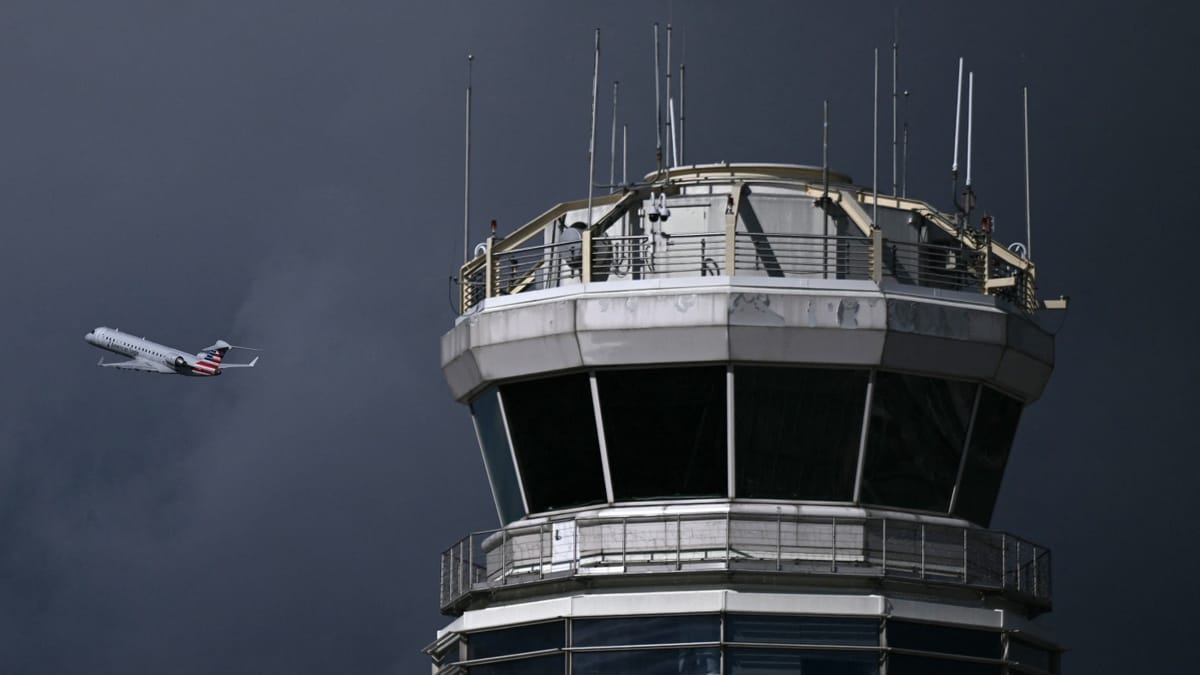
For many travelers, the nation’s airspace felt unusually precarious on Halloween as the Federal Aviation Administration (FAA) announced widespread flight delays across the United States. The delays stem from staffing shortages that have intensified since the federal government shutdown began, leaving thousands of air traffic controllers working without pay and forcing the agency to operate with reduced personnel.
Union representatives for air traffic controllers warned that the system is approaching a "tipping point" if the shutdown continues. They noted that the FAA is operating with roughly 15% fewer controllers than the level required for safe, efficient operations, a gap that could compromise the ability to manage peak traffic volumes. Officials emphasized that while safety protocols remain in place, the cumulative strain increases the risk of operational errors and may force additional ground stops or reroutes.
The current shutdown is the longest in recent history, and it has disrupted funding for several critical aviation functions, including training, equipment maintenance, and the hiring pipeline for new controllers. Similar shutdowns in the past have led to temporary reductions in flight capacity, but the extended duration this time raises concerns among airlines, airport operators, and consumer groups. Industry analysts describe the situation as a logistical bottleneck that could ripple through the national economy, especially as holiday travel demand typically surges in the coming weeks.
Federal officials have indicated that a resolution to the funding impasse could restore full staffing levels within days, though no concrete timetable has been set. In the meantime, the FAA is urging passengers to monitor airline communications, consider flexible travel plans, and expect possible further delays. The ongoing negotiations underscore the broader impact of government funding disputes on essential public services, highlighting the need for a swift legislative solution to prevent additional disruptions to the nation’s air travel network.