AI Rally and Market Volatility Shape Stock Surge Since Trump's Return
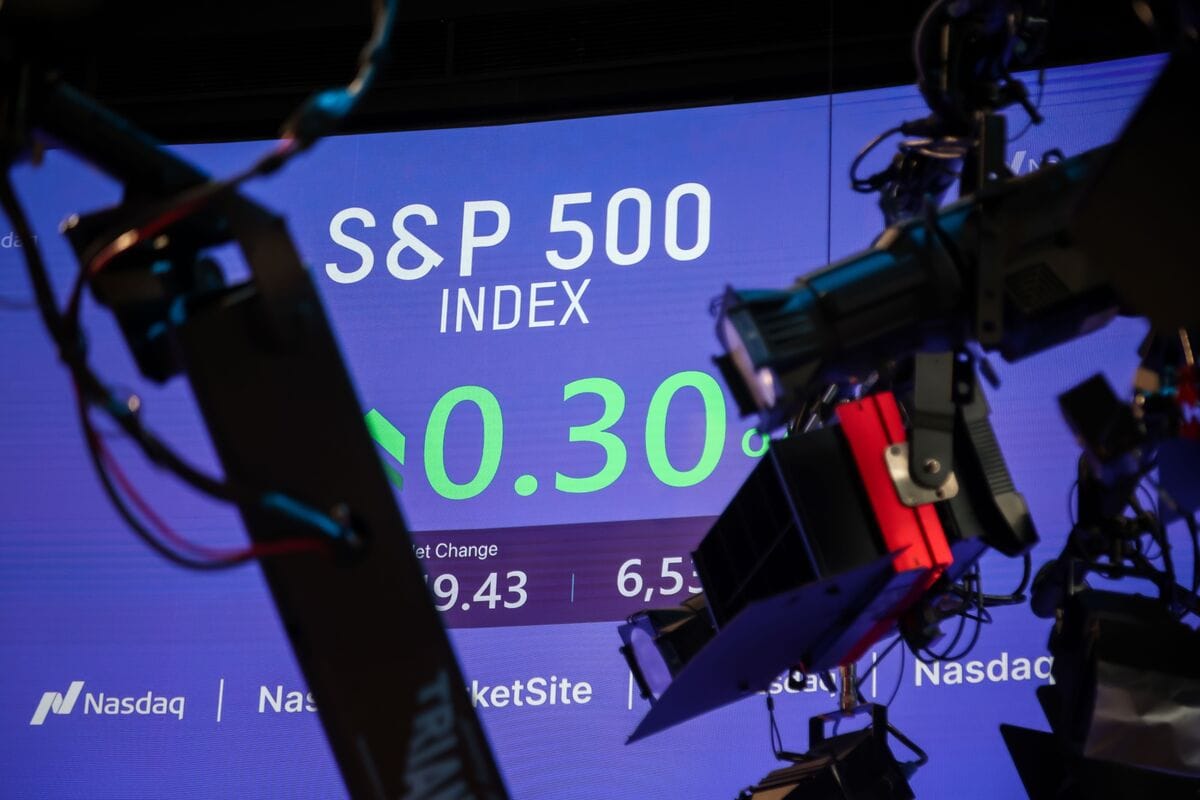
Donald Trump’s return to the White House was initially projected to spark a broad, sustained boom in U.S. equities. While the S&P 500 has indeed climbed roughly 18% since the November election, the drivers behind the rally differ markedly from the expectations of many forecasters.
The most notable catalyst has been a pronounced rally in artificial‑intelligence‑related stocks. Companies developing generative‑AI models, semiconductor firms supplying the necessary hardware, and cloud providers integrating AI services have seen their valuations surge, pulling the broader index upward. Analysts point to the sector’s rapid revenue growth and heightened corporate investment as the primary engine of recent market gains.
At the same time, heightened volatility has persisted, reflecting uncertainty over fiscal policy, regulatory approaches, and geopolitical tensions. Market participants note that while the overall trend is upward, daily swings have been larger than in the previous administration’s tenure. This volatility has prompted a mixed response from investors, with some rotating into defensive sectors such as utilities and consumer staples, while others continue to chase high‑growth AI opportunities.
Economists highlight that the post‑election market performance aligns with a broader pattern of investors responding to sector‑specific tailwinds rather than pure political optimism. They also note that the administration’s early fiscal proposals—focused on infrastructure spending and tax adjustments—have yet to materialize fully, leaving the macroeconomic outlook somewhat ambiguous.
Industry observers anticipate that the AI rally could moderate as competition intensifies and regulatory scrutiny increases. Meanwhile, the overall market’s resilience may depend on the administration’s ability to deliver on promised economic initiatives and to manage inflationary pressures. In the short term, analysts expect continued oscillation between optimism driven by tech gains and caution stemming from policy and global risks.
Overall, the 18% gain in the S&P 500 underscores a market that is responsive to sectoral dynamics and broader economic signals, rather than a simple reflection of political change. Investors are likely to monitor both AI developments and policy actions closely as they shape the trajectory of U.S. equities in the months ahead.